

Music and visual art have a strong correlation between them, showing up in many different ways. For visual artists, inspiration rarely comes from a single source. Creativity is fluid, layered, and often sparked by influences beyond the visual realm. Music, in particular, has long been a powerful companion to visual art — shaping process, mood, and meaning in ways that are both subtle and profound.
While music is experienced through sound, and art through sight, the two share a deep creative language that many artists instinctively understand.
Music as a Tool for Creative Process
Music isn’t just a background noise for visual artists, it is part of the studio practice. A rhythm can influence the pace of mark-making, a melody can soften or intensify focus, and shifts in tempo can guide energy levels throughout a working session. Just as a composition builds and releases tension, visual art often follows a similar arc through layering, repetition, and contrast.
Some artists choose music deliberately to enter a specific mindset, while others allow it to shape the work intuitively. In both cases, music becomes a collaborator, helping artists access emotion, memory, and flow.

Rhythm, Composition, and Visual Structure
The connection between music and visual art is also deeply structural. Rhythm appears in repeated forms, patterns, and gestures across a canvas. Harmony can be seen in balanced compositions and cohesive colour palettes. Dissonance, a key element in music, often finds its visual equivalent in deliberate clashes of colour, scale, or texture. Abstract and contemporary artists frequently describe their work in musical terms, referencing tempo, improvisation, and movement. This shared vocabulary highlights how closely the two disciplines are aligned at a conceptual level.
Emotional Translation Across Mediums
Music has a unique ability to bypass logic and speak directly to emotion — something visual artists continually strive to achieve. Translating the feeling of a sound into a visual form allows artists to explore emotion beyond representation. Colour, line, and texture can become visual echoes of a bassline, a crescendo, or a moment of silence.
This translation across mediums encourages experimentation and helps artists break away from purely visual references, opening space for more personal and expressive work.
Cross-Disciplinary Inspiration and Collaboration
Throughout art history and contemporary practice, music has inspired movements, exhibitions, performances, and collaborative projects. Album artwork, live visuals, immersive installations, and multimedia exhibitions all sit at the intersection of sound and image.
For today’s creatives, working across disciplines is increasingly relevant. Whether collaborating directly with musicians or drawing inspiration from melodies and scores, visual artists can expand their practice and reach new audiences by embracing this connection.
Creativity Beyond the Senses
The relationship between music and art reminds us that creativity is not confined to a single sense or medium. It exists in atmosphere, emotion, and experience. By engaging with music intentionally, visual artists can deepen their practice, challenge their habits, and reconnect with the instinctive side of making. At its core, both music and visual art come from the same impulse: the need to express, to communicate, and to connect. When artists allow these forms to inform one another, the result is work that resonates — not just visually, but emotionally.
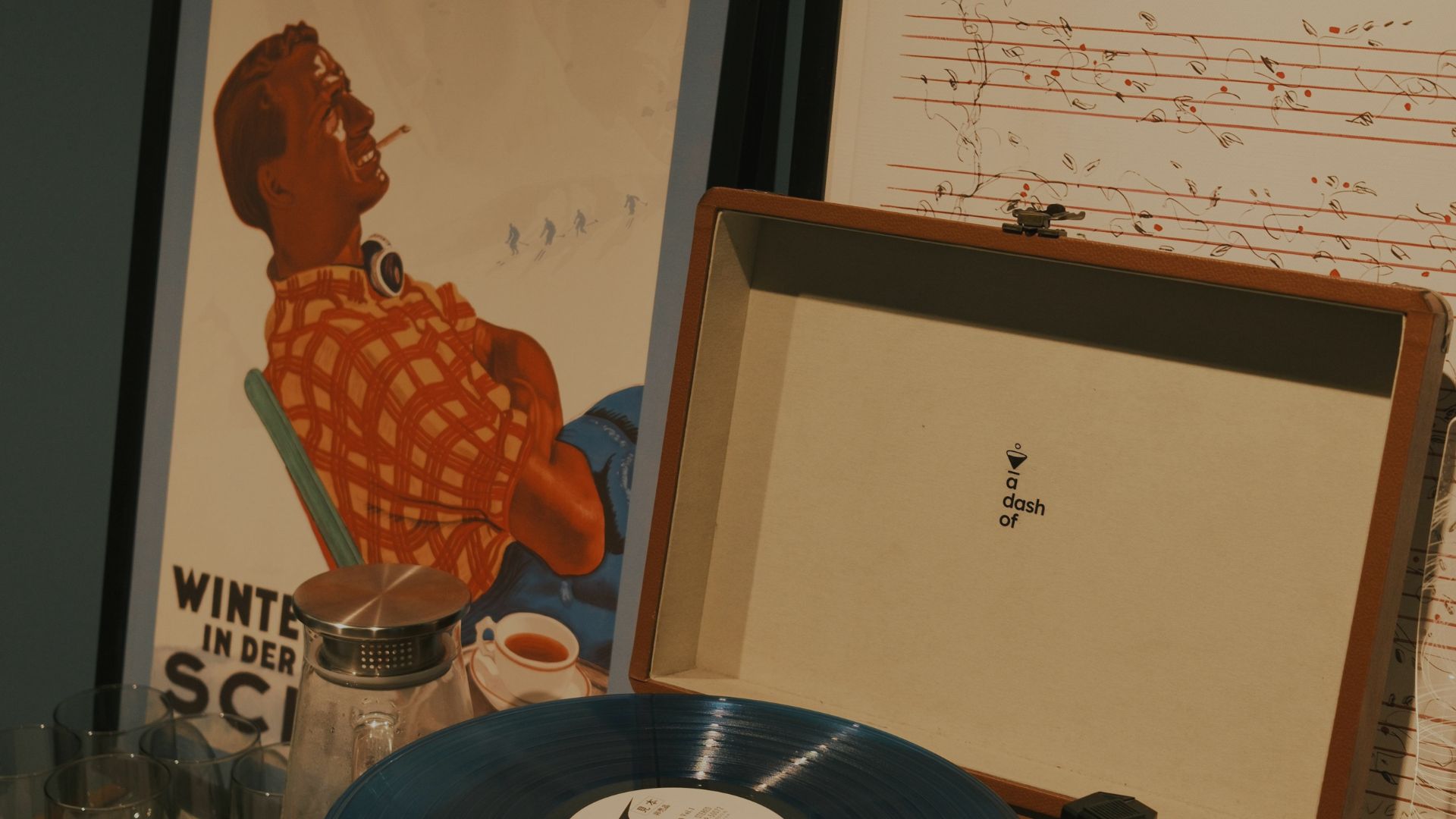
Listening as Part of Practice
Consider introducing music into your next studio session with intention. Try a different genre, tempo, or atmosphere and observe how it influences your focus, rhythm, and creative decisions. Without aiming for a specific outcome, allow sound to guide intuition and open new directions in your work.
Sometimes, the simplest shift, like what you listen to — can transform how you create.