

Pride Month is a celebration of visibility, resilience, and the ongoing pursuit of equality. It is a time to recognise the contributions of LGBTQ+ communities, reflect on the progress that has been made, and acknowledge the stories that continue to shape our collective understanding of identity, belonging, and self-expression.
Art has long played an important role in this journey. For generations, artists have used creative practice to challenge prejudice, preserve histories, celebrate individuality, and create space for voices that might otherwise go unheard. Through painting, photography, performance, and countless other forms of expression, art has helped communities connect, advocate, and imagine new possibilities for the future.
This Pride Month, the VAA is proud to spotlight two LGBTQ+ artists whose work explores themes of identity, visibility, memory, and lived experience. Through their distinct creative practices, Dr Rupert Record and Zoja Kalinovskis demonstrate how art can foster empathy, encourage dialogue, and help us better understand ourselves and one another.
Art as a Journey of Self-Discovery
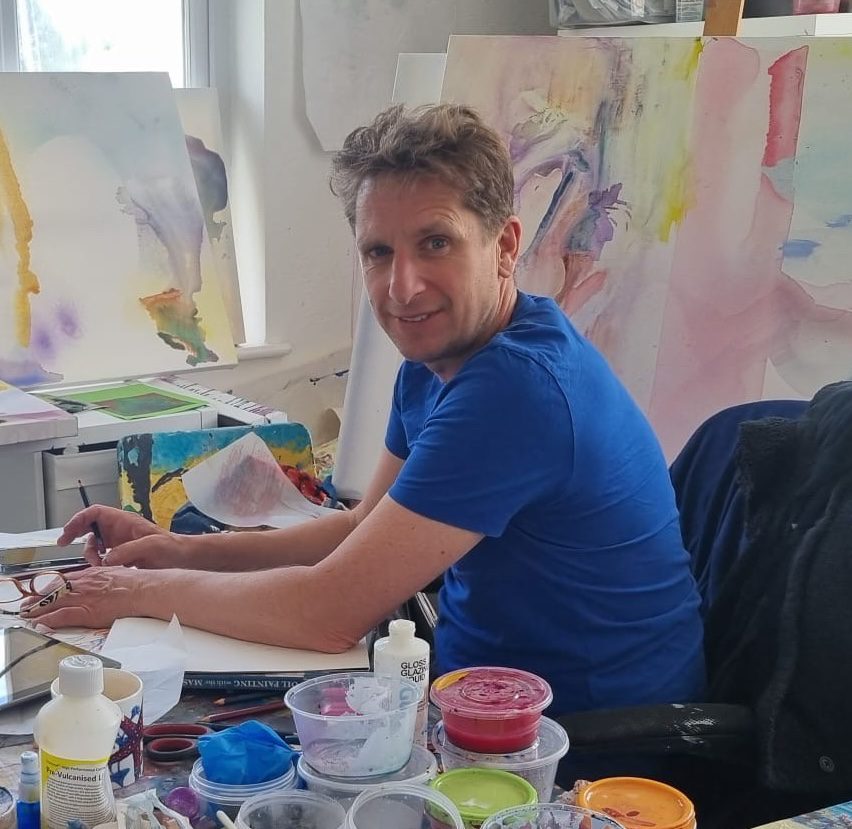
Dr Rupert Record (DProf), artist, painter and researcher exploring autobiography, LGBTQ+ histories, memory and abstraction.
For London-based artist Dr Rupert Record, painting has become a way of revisiting personal memories and exploring LGBTQ+ histories through layered abstraction. Drawing on his experiences of coming out as a young gay man in the 1980s and 1990s, his work transforms moments of vulnerability, resilience, and self-discovery into luminous paintings that explore silence, identity, masculinity, and transformation.
“I find being an artist allows me to explore a more dynamic and evolving representation of masculinity as well as LGBTQ+ identity,” Rupert reflects. “It is also important for me to invite the viewer into a visual language of personal remembrance, joy and transformation.”
Visual artist Zoja Kalinovskis works across digital and analogue photography, printmaking, and photo etching. Their practice sits at the intersection of art and activism, driven by a belief that art has the power to challenge the status quo, spark meaningful conversations, and inspire positive social change.
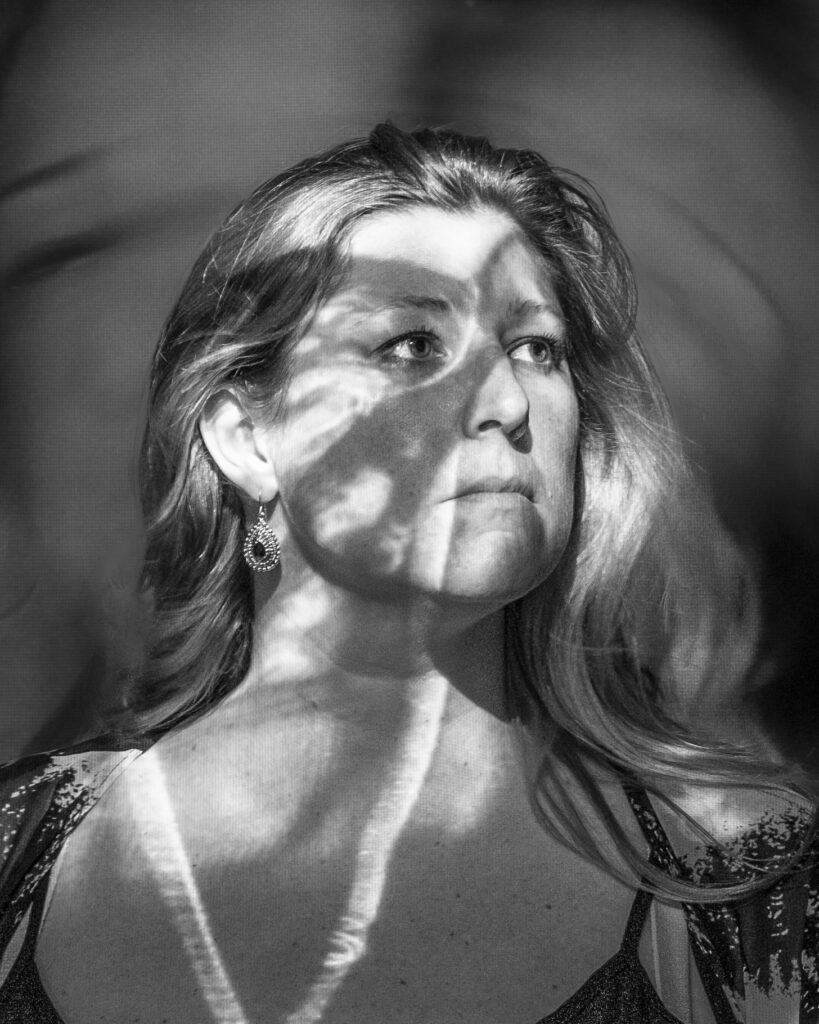
Zoja Kalinovskis is a visual artist whose work sits at the intersection of art and activism, exploring disability, identity and social justice.
As a disabled, neurodivergent, queer, and non-binary artist, Zoja’s lived experiences naturally shape their work. Their practice explores themes of disability, race, gender, sexuality, and mental health while amplifying voices that are often overlooked or underrepresented.
After becoming disabled, Zoja’s perspective and creative practice shifted in profound ways. Their ongoing series Unseenis a deeply personal exploration of disability, imagining a world where disabled bodies are no longer a rarity but are visible, valued, and celebrated within art and society.
“Much of my work is rooted in creating opportunities for people to feel seen, heard, and understood,” Zoja explains. “Whether I’m exploring disability, identity, or broader social issues, I hope my work encourages people to look a little closer, listen a little more deeply, and recognise themselves in the experiences of others.”
Zoja’s work has received international recognition, including the Portrait of Britain Award, the AOP Emerging Talent Award, the LensCulture Black & White Photography Award, and the VAA International Exhibition & Scholarship Prize. Their work has been exhibited across the UK and internationally in New York, Rome, Buenos Aires, and Tokyo, and most recently at Sotheby’s in London. They have also been shortlisted for prestigious awards including the John Ruskin Prize and the Taylor Wessing Photo Portrait Prize at the National Portrait Gallery.
Through their work, Zoja hopes to encourage connection, empathy, and a deeper understanding of our shared humanity.
LGBTQ+ Histories, Identities and Creative Expression
For both Rupert and Zoja, LGBTQ+ identity is not simply a subject matter – it is woven into the fabric of their creative practice.
Rupert Record: Queer Histories and Memory
Rupert’s painting practice emerges from autobiographical research, allowing him to create work that is reflective, intimate, and open to vulnerability. Drawing on the emotional traces of his own experiences, particularly the silences surrounding his coming out as a young gay man, he creates paintings that connect personal memory with collective LGBTQ+ histories.
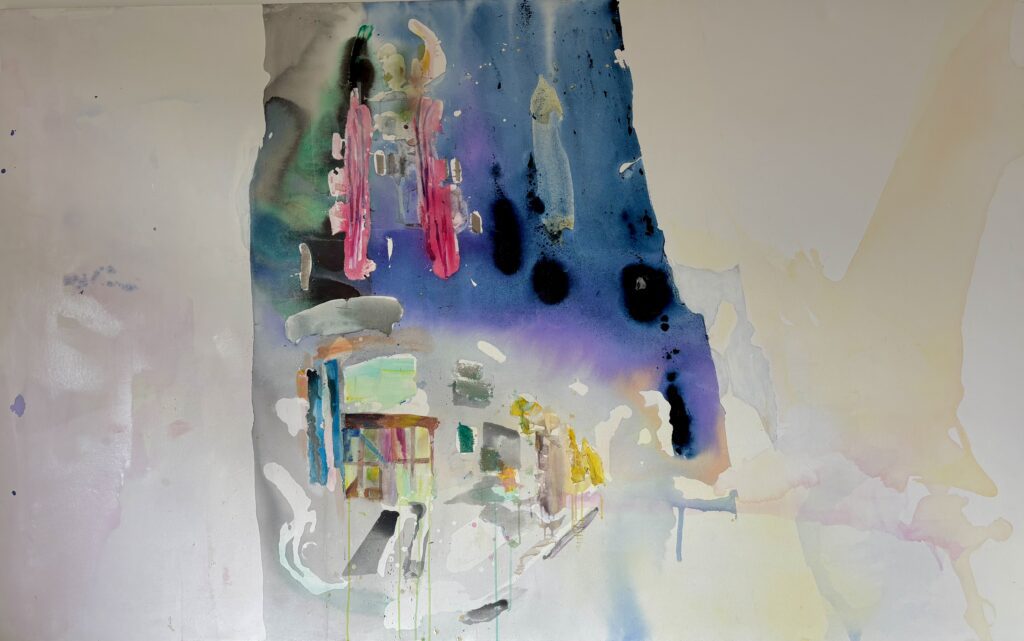
The Doors to the Regent Palace Hotel, Acrylic and mixed media on canvas , 2025 – Rupert Record.
Much of Rupert’s recent work explores historic queer spaces in 1960s Piccadilly, including the Regent Palace Hotel and the Shake Up Bar, a male-only venue frequented by gay men. Through layered abstraction, architectural forms, translucent washes, and carefully considered negative spaces, he revisits places marked by silence and transforms them into powerful visual narratives.
In these paintings, absence becomes as significant as presence. White, unpainted areas of the canvas become charged with intensity, evoking memory, unease, longing, and the tension of what could not always be spoken aloud.
“My painting practice emerges from autobiographical research, enabling me to be reflective, intimate, and open to vulnerability,” Rupert explains. “I navigate the emotional traces of past experiences, particularly the silences surrounding my coming out as a young gay man and make a comparison to the collective LGBTQ+ history in 1960s Piccadilly.”
Guided by meditation, Rupert approaches painting as a contemplative act where stillness, abstraction, and white space hold equal weight to gesture and colour. His palette moves between restraint and vibrancy, reflecting what he describes as a journey from concealment to freedom.
“I explore silence, resilience, and transformation through layered abstraction,” he says. “My paintings invite the viewer into a visual language of remembrance, joy and transformation where silence no longer confines but reveals new possibilities for identity, empathy and liberation.”
Rupert has also explored LGBTQ+ themes throughout his career. Earlier works such as Come Then and Swim and Blood Blooms challenged traditional ideas of masculinity by combining national symbols, homoerotic imagery, and references to same-sex love. Paintings including Achilles and the Ghost of Patroclus draw on Greek mythology to reflect on queer identity, belonging, and the search for positive role models.
Zoja Kalinovskis: Identity and Intersectionality
For Zoja, LGBTQ+ identity is inseparable from the wider themes of intersectionality that run throughout their work. As a queer, non-binary, and disabled artist, they are interested in how different aspects of identity overlap and shape lived experience.
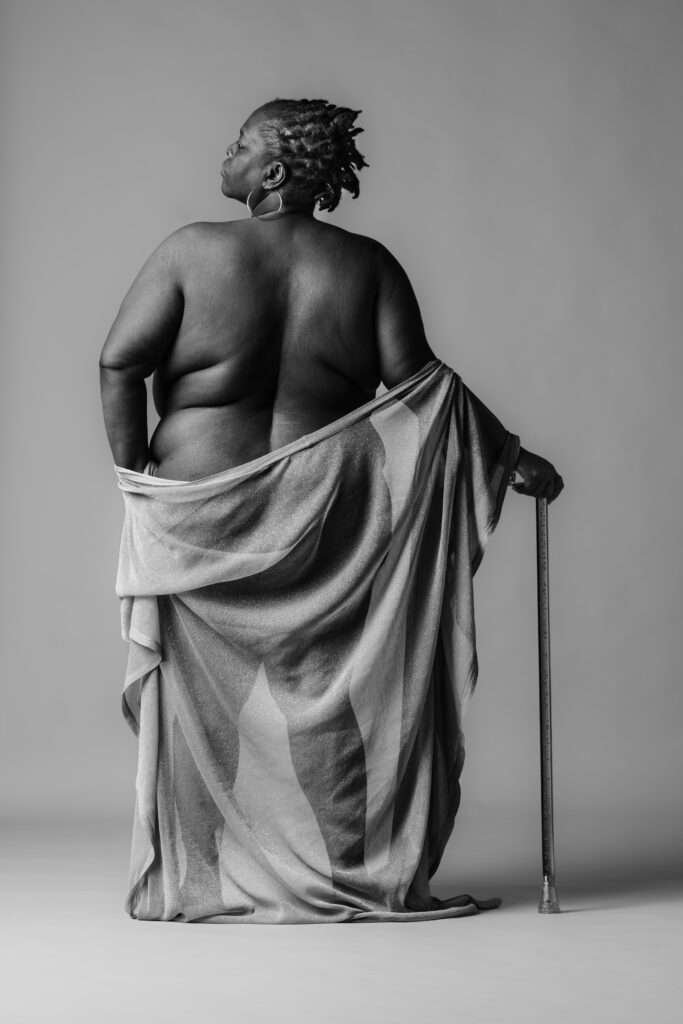
From the series Unseen by Zoja Kalinovskis.
Their ongoing photographic series Unseen explores disability through an LGBTQ+ lens, featuring exclusively queer subjects. Through portraiture and storytelling, the work challenges assumptions about visibility, identity, and representation while creating space for conversations around bodies, belonging, and social inclusion.
“Our identities don’t exist in isolation and I want my work to reflect that complexity,” Zoja explains. “The overlap between disability, queerness, and other lived experiences is something I find incredibly important to explore.”
Although their artistic approaches differ, both artists use their work to challenge invisibility, celebrate lived experience, and create space for stories that have historically been overlooked or silenced.
Silence, Memory and Transformation
Reimagining Silence Through Art
A central theme in Rupert’s work is silence – not as absence, but as something layered, emotional, and transformative. Drawing on autobiographical research and historical photographs from LGBTQ+ sites, his paintings explore the emotional traces of both personal memory and collective queer histories.
“Historical photographs from LGBTQ+ sites, which I use as source material, echo my own journey and illuminate the silences I have noticed through LGBTQ+ history,” Rupert explains.
Historical photographs of LGBTQ+ spaces, including the Regent Palace Hotel and other sites connected to queer life in London, become starting points for Rupert’s visual investigations. Through translucent washes, shifting light, architectural forms, and carefully considered negative space, he creates paintings where absence becomes charged with meaning.
In works such as Façade of the Hotel, Three, and Helter-Skelter, spaces marked by concealment, hesitation, and uncertainty are transformed into sites of memory, tension, and release. Rather than presenting silence as a void, Rupert reimagines it as a visual language capable of holding complex emotions and untold histories.

The Regent Palace Hotel 2024, print on paper – Rupert Record
The interplay between painting, drawing, collage, palimpsest, and printmaking invites viewers to slow down and engage with the emotional resonance embedded within each work. White, unpainted areas of the canvas become as significant as painted surfaces, suggesting what was once hidden, suppressed, or left unsaid.
“What once felt like negative space, the places of concealment, hesitation, or erasure, becomes an important site of memory, tension, and release,” Rupert reflects.
For Rupert, silence is not only connected to pain or concealment. Guided by meditation, his recent works move beyond silence as a place of restriction and towards a more affirming space of reflection, empathy, and self-acceptance.
“My paintings invite the viewer into a visual language of remembrance, joy and transformation where silence no longer confines but reveals new possibilities for identity, empathy and liberation.”
Disability, Visibility and Lived Experience
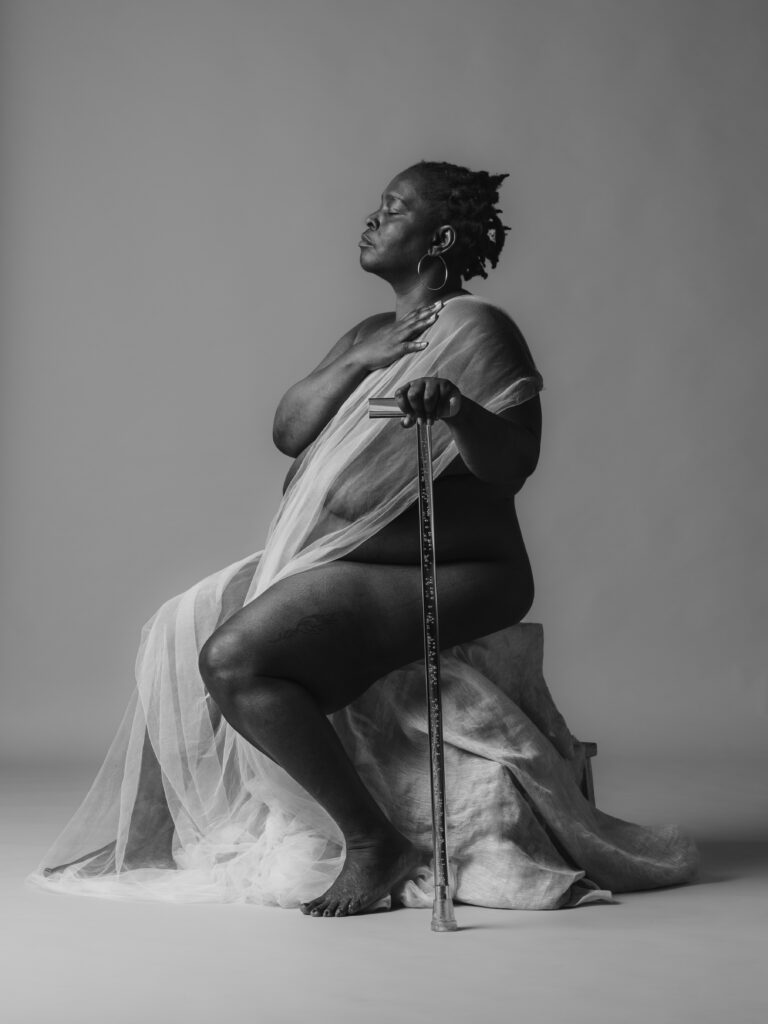
From the series Unseen by Zoja Kalinovskis.
For Zoja, lived experience has similarly become a catalyst for creative exploration. Becoming disabled profoundly changed both their life and artistic practice, prompting a shift towards work that examines representation, visibility, and the complexities of identity.
“Navigating the world as a disabled person has been challenging, transformative, and at times deeply isolating,” they explain. “It’s an experience that continues to shape my perspective, and I feel there is still so much more for me to explore through my work.”
Both artists demonstrate how personal experiences can become powerful tools for storytelling, understanding, and connection.
Why Representation Still Matters
When asked whether representation in art remains important in 2026, both artists were clear that it does.
For Rupert, representation creates connections across generations. Through his research into LGBTQ+ spaces in 1960s London, he draws parallels between collective queer histories and his own experiences, creating work that acknowledges lives, stories, and communities that may otherwise be forgotten.
“Representation matters because it creates a shared narrative across generations,” Rupert says. “It allows us to recognise ourselves in others, to learn from the past, and to make sense of our own coming out processes.”
Zoja sees art as both a mirror and a window.
“Art reflects the realities of the world we live in whilst also allowing us to experience lives and viewpoints different from our own,” they share. “When artists from marginalised communities are given space to share their stories, it fosters empathy, broadens understanding, and helps dismantle harmful stereotypes.”
For both artists, representation is not simply about visibility. It is about belonging, understanding, and the recognition of stories that have too often been overlooked.
Art as Visibility, Community and Connection
Both artists spoke about the importance of community in shaping their experiences and creative journeys.
Rupert reflects on the excitement and freedom he discovered when finding LGBTQ+ spaces in London as a young man. The energy of friendships, nightlife, colour, and movement continues to inform his work today.
“The excitement of coming out when first arriving in London has directed much of the colour in my paintings,” Rupert explains. “My formative memories of the camaraderie and excitement of first going to nightclubs, the colour, and the friends to be made, all induced in me a feeling of euphoria.”
This sense of joy and liberation appears throughout Rupert’s work, where personal memory becomes intertwined with broader LGBTQ+ histories.
Zoja also believes art plays a vital role in creating visibility and connection for LGBTQ+ communities.
“Art has always been a powerful tool for visibility, connection, and resistance,” they explain. “It allows us to document our experiences, tell our own stories, and create spaces where people feel seen and understood.”
At a time when many LGBTQ+ people continue to face discrimination and hostility, creative expression remains an important tool for building solidarity and reminding people that they are not alone.
Inspiration and Looking Forward
Both artists draw inspiration from creatives who have used their work to challenge assumptions, tell overlooked stories, and create meaningful cultural conversations.
Rupert cites artists such as Mark Bradford and Agnes Martin as significant influences. Bradford’s politically engaged abstraction has helped him consider how hidden LGBTQ+ narratives can be embedded within painting, while Martin’s meditative practice has informed his exploration of stillness, wellbeing, and positive silence. He also draws inspiration from LGBTQ+ artists and writers including David Wojnarowicz, James Baldwin, and Jean Genet, whose autobiographical approaches resonate with his own creative research.
Zoja highlights the work of South African visual activist Zanele Muholi, whose powerful self-portraiture challenges racism, gender norms, and systems of exclusion while creating space for underrepresented voices.
“I admire the way they invite viewers into difficult conversations while creating images of extraordinary beauty,” Zoja says.
Looking ahead, both artists hope to see continued progress within the arts sector. Greater accessibility, more equitable funding opportunities, and consistent support for marginalised voices remain essential if the arts are to truly reflect the diversity of the communities they serve.
For Zoja, this means moving beyond occasional visibility.
“Meaningful representation requires more than occasional visibility,” they explain. “We need to support and platform marginalised voices consistently throughout the year, rather than limiting those conversations to specific awareness months or cultural moments such as Pride or Black History Month.”
A Final Thought
Pride Month offers an opportunity to celebrate LGBTQ+ creativity, but also to reflect on the stories, histories, and experiences that continue to shape our communities today.
Through painting, photography, research, and activism, Rupert Record and Zoja Kalinovskis demonstrate how art can transform personal experience into collective understanding. Whether exploring LGBTQ+ histories, disability, identity, memory, or belonging, both artists use their work to challenge silence, foster empathy, and create spaces where people can feel seen, understood, and valued.
Their practices remind us that visibility is not simply about being observed – it is about recognition, connection, liberation, and the freedom to tell our own stories.