For many visual artists today, social media feels unavoidable. Platforms promise visibility, opportunity, and connection. However, they also encourage comparison and quietly suggest that numbers equal value. Over time, likes, follows, and shares can begin to feel like a public scorecard of artistic success.
Importantly, social media was never meant to define your worth as an artist. Instead, it is a tool. Like any tool, its usefulness depends on how — and why — you choose to use it.
The Problem With Treating Metrics as Meaning
Digital platforms are designed to reward attention, not artistic depth. As a result, algorithms tend to favour frequency, trends, and recognisable formats rather than slow, experimental, or challenging work. When artists internalise social media metrics as indicators of quality or success, several things can happen. For example:
- Strong work can feel invisible if it does not perform well.
- Creative decisions may shift to suit algorithms rather than ideas.
- Periods of low engagement can trigger unnecessary self-doubt.
- Risk-taking may feel unsafe in a numbers-driven environment.
The issue therefore, is not social media itself, but the assumption that platform feedback reflects artistic value. A post that reaches fewer people is not inherently weaker, and a practice is not diminished because it doesn’t translate neatly into online formats.
Reframing Social Media as a Professional Tool
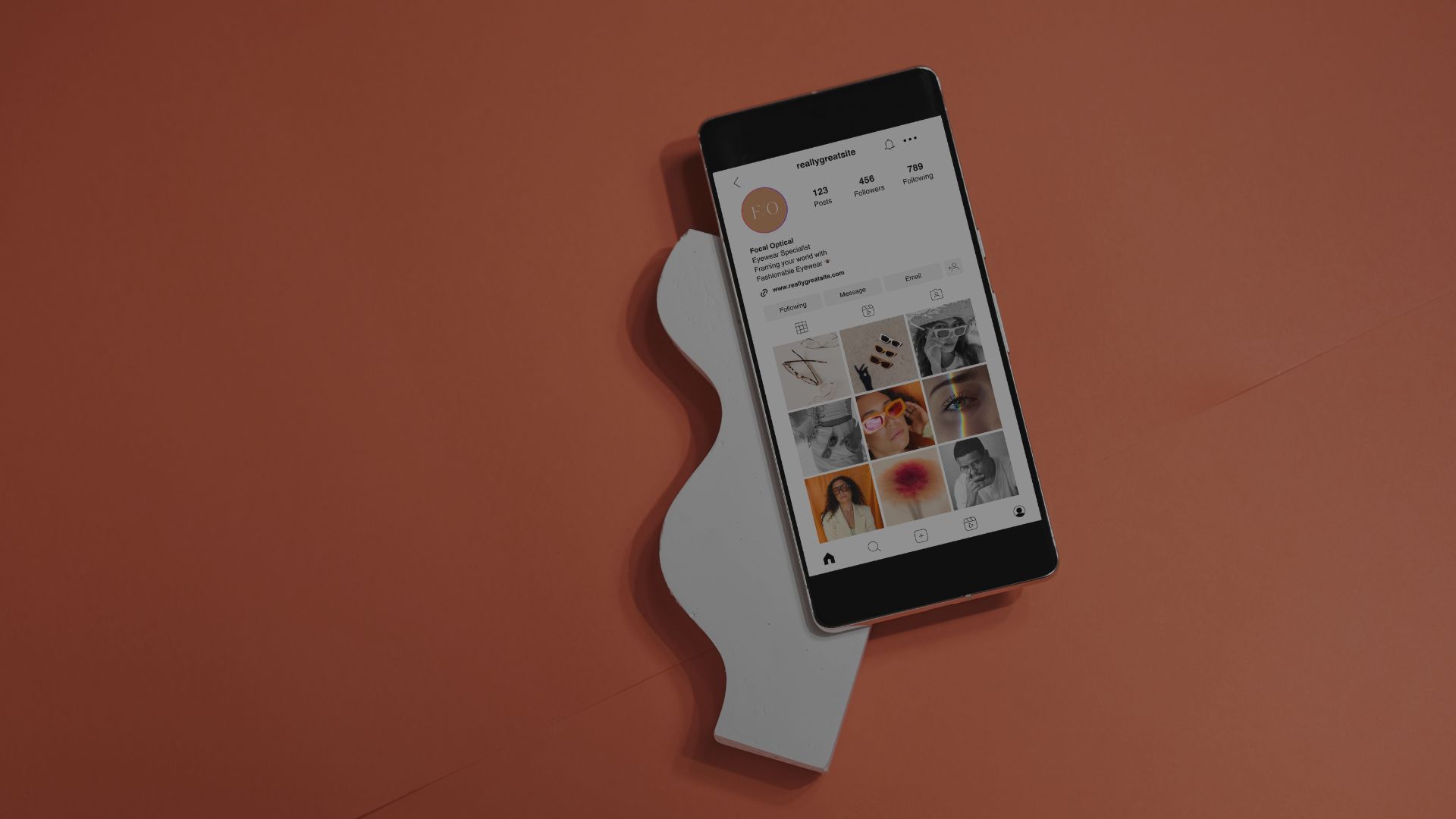
When approached professionally, social media becomes a practical resource rather than a judgement on your work. In practice, it can be used to show selected pieces, share context, and communicate opportunities without documenting everything you make.
Rather than demanding constant updates, social media can function more like a public-facing noticeboard or digital portfolio. In this role, it supports your practice instead of defining it. Your work leads; the platforms follow.
Visibility Is Not the Same as Validation
Visibility is practical, while validation is emotional. However, social media is an unreliable place to seek affirmation, as algorithms are shaped by timing, trends, and behaviour well beyond your control.
At the same time, many opportunities come from people who never like or comment but are quietly paying attention. For this reason, low engagement should not be read as feedback on the quality, seriousness, or potential of your work.
Online platforms only shows only a fragment of the art world, and importantly, it is neither neutral nor complete.
Defining Your Own Measures of Success
One of the most powerful steps an artist can take is to define success on their own terms. Rather than relying on metrics, this means identifying professional and creative benchmarks that actually support your practice.
Success might include:
- Completing a body of work
- Developing conceptual clarity
- Exhibiting in spaces aligned with your values
- Building sustainable creative habits
When these goals are clear, social media metrics become contextual rather than authoritative.
Your Practice Comes First
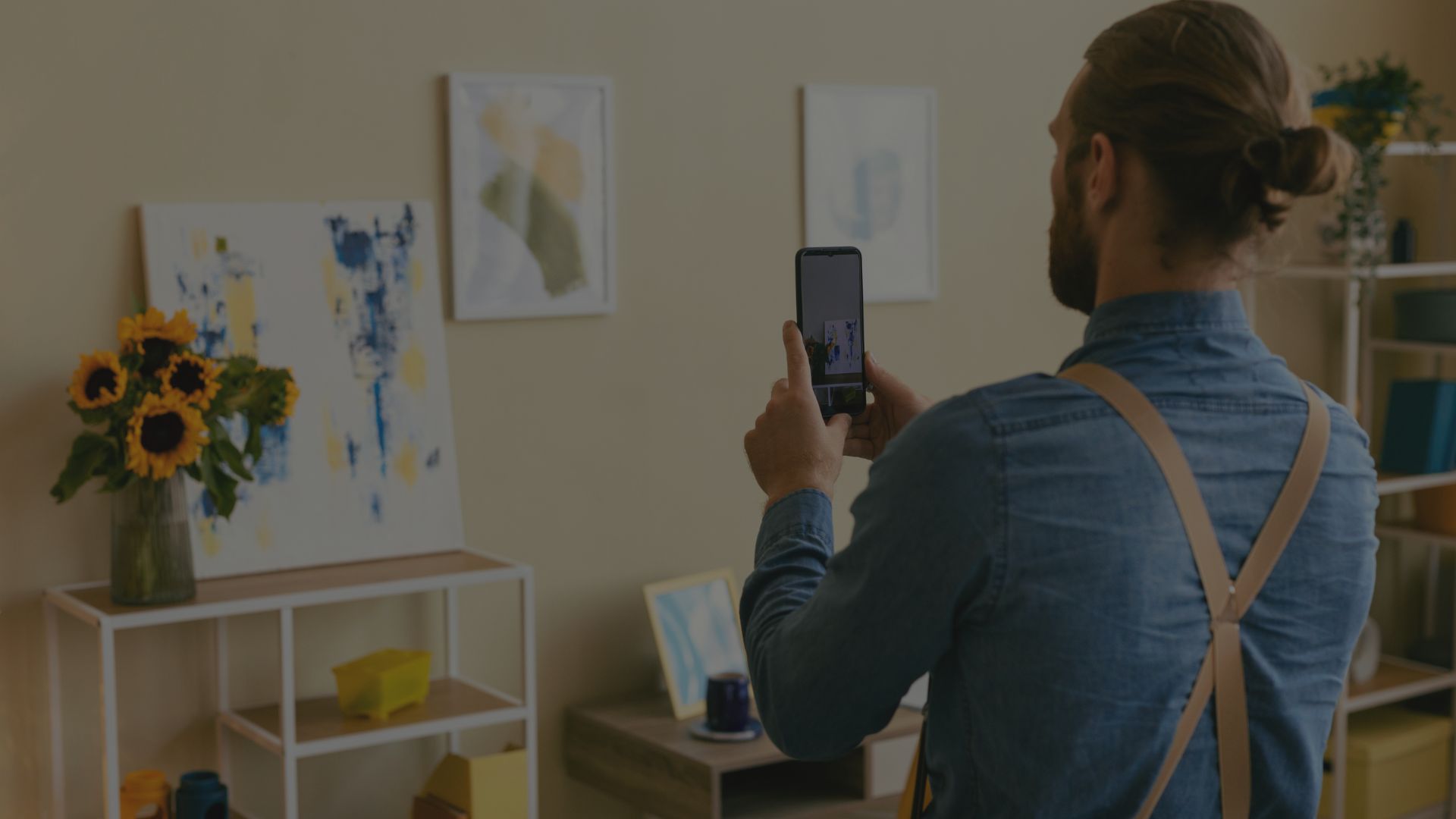
Art has always existed beyond platforms. Long before algorithms, artists built meaningful careers through commitment, experimentation, and community. That reality still holds true today.
You are not your follower count, your engagement rate, or your most recent post. Instead, you are an artist because you make work, and that remains true whether anyone is watching or not.
Social media can support a practice, but it cannot define one.
For guidance on building sustainable, professional practices online and offline, the Global Artist Framework offers practical principles for artists at every stage of their career.