An Interview with David Moješčík: Highly Commended Artist – VAA Artist of the Year 2025 and July Member of the Month
David Moješčík – Artist Feature – VAA Member of the Month July 2026
David Moješčík, known professionally as MojDa, is a Czech sculptor born in 1974 in Frŷdek-Mistek, former Czechoslovakia. He lives and works in Janovice near Frŷdek-Mistek, in the foothills of the Beskydy Mountains in northern Moravia, where he has built a private studio next to his family home.
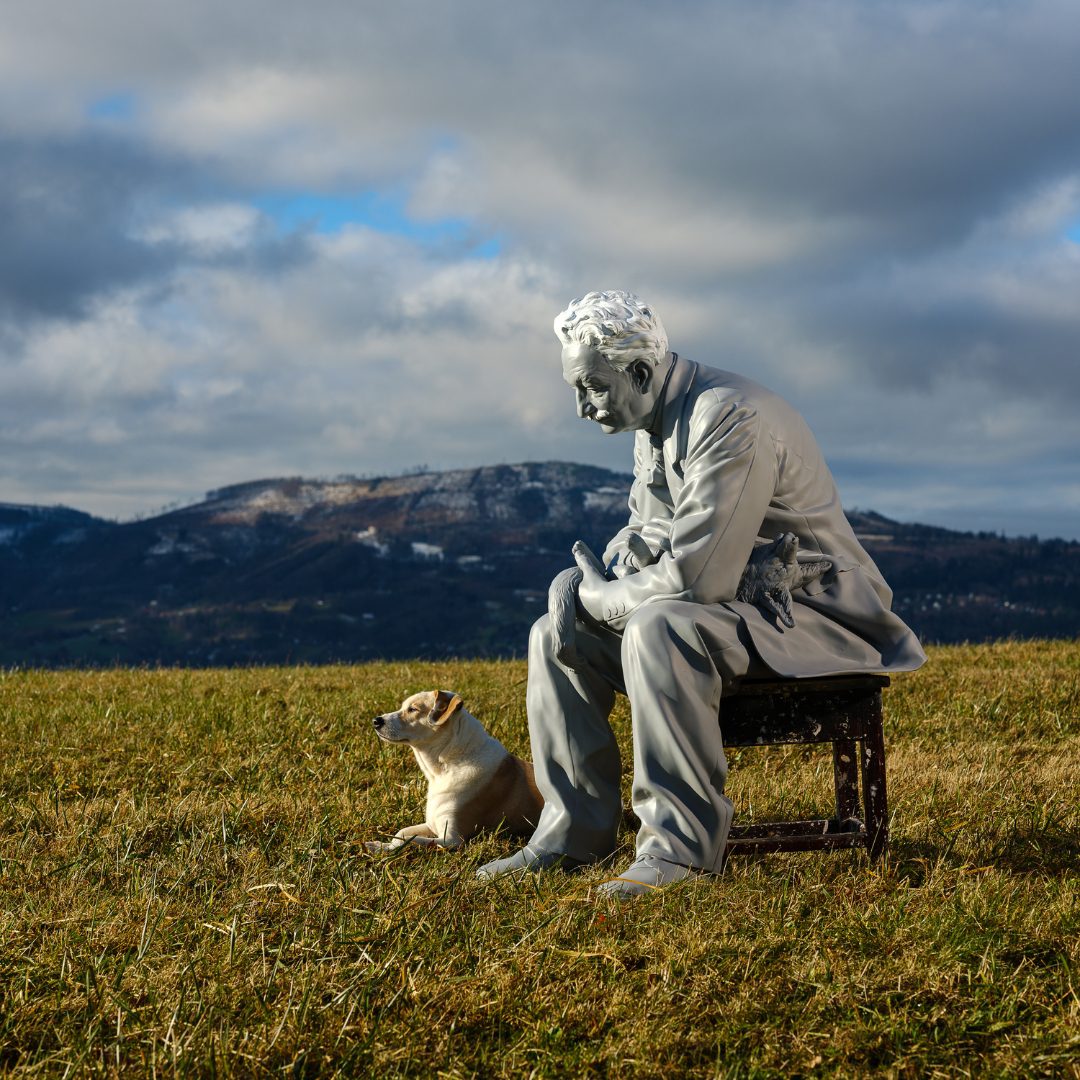
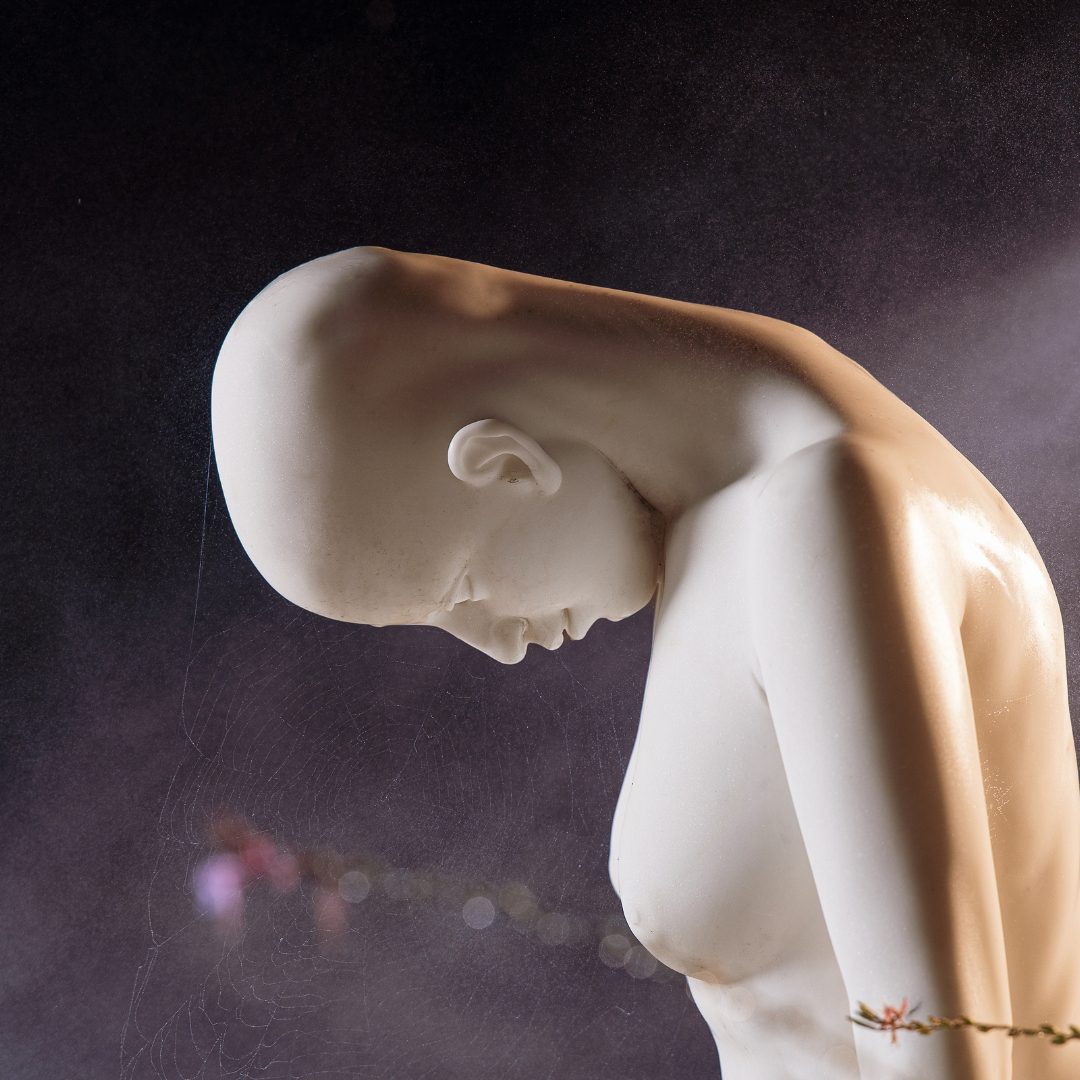
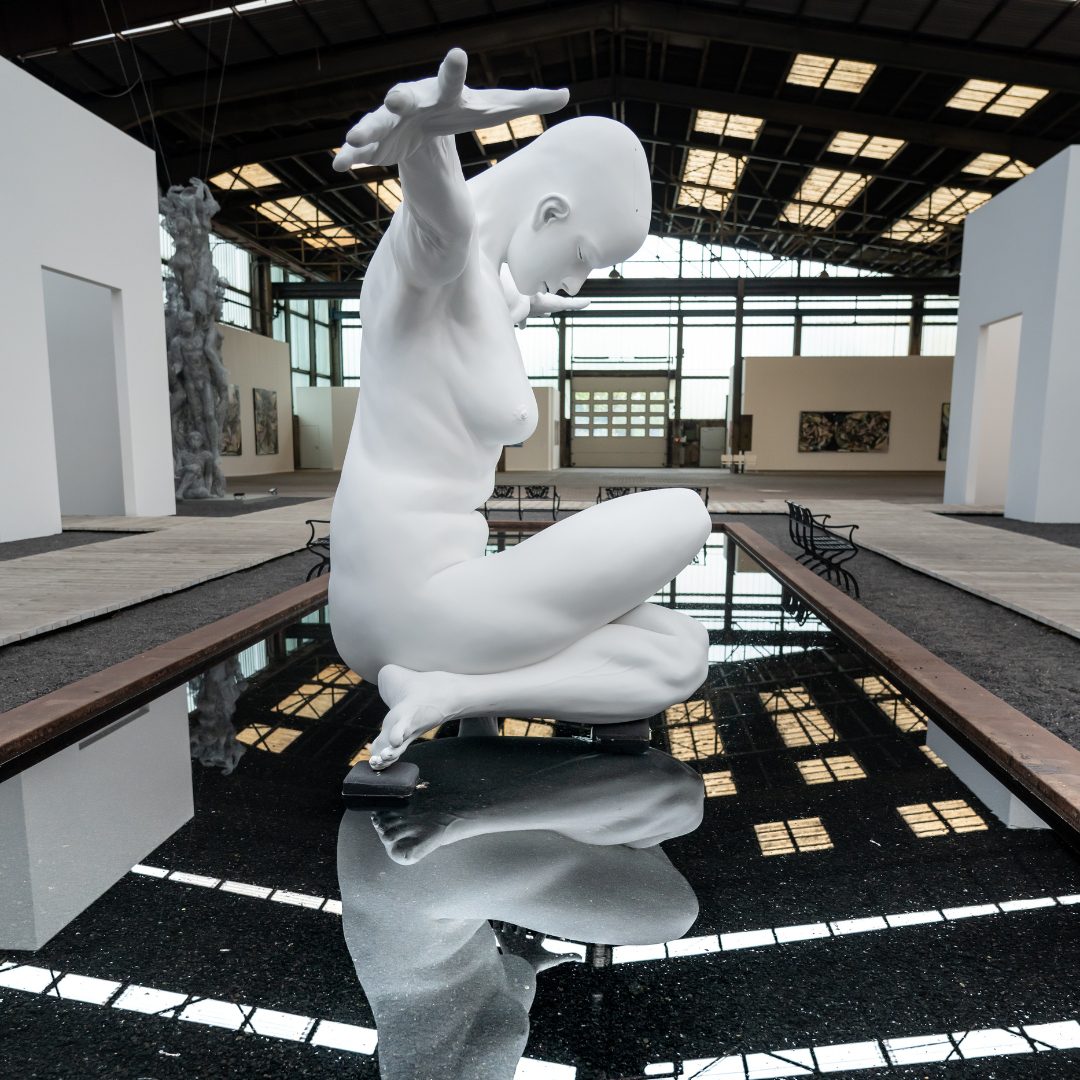
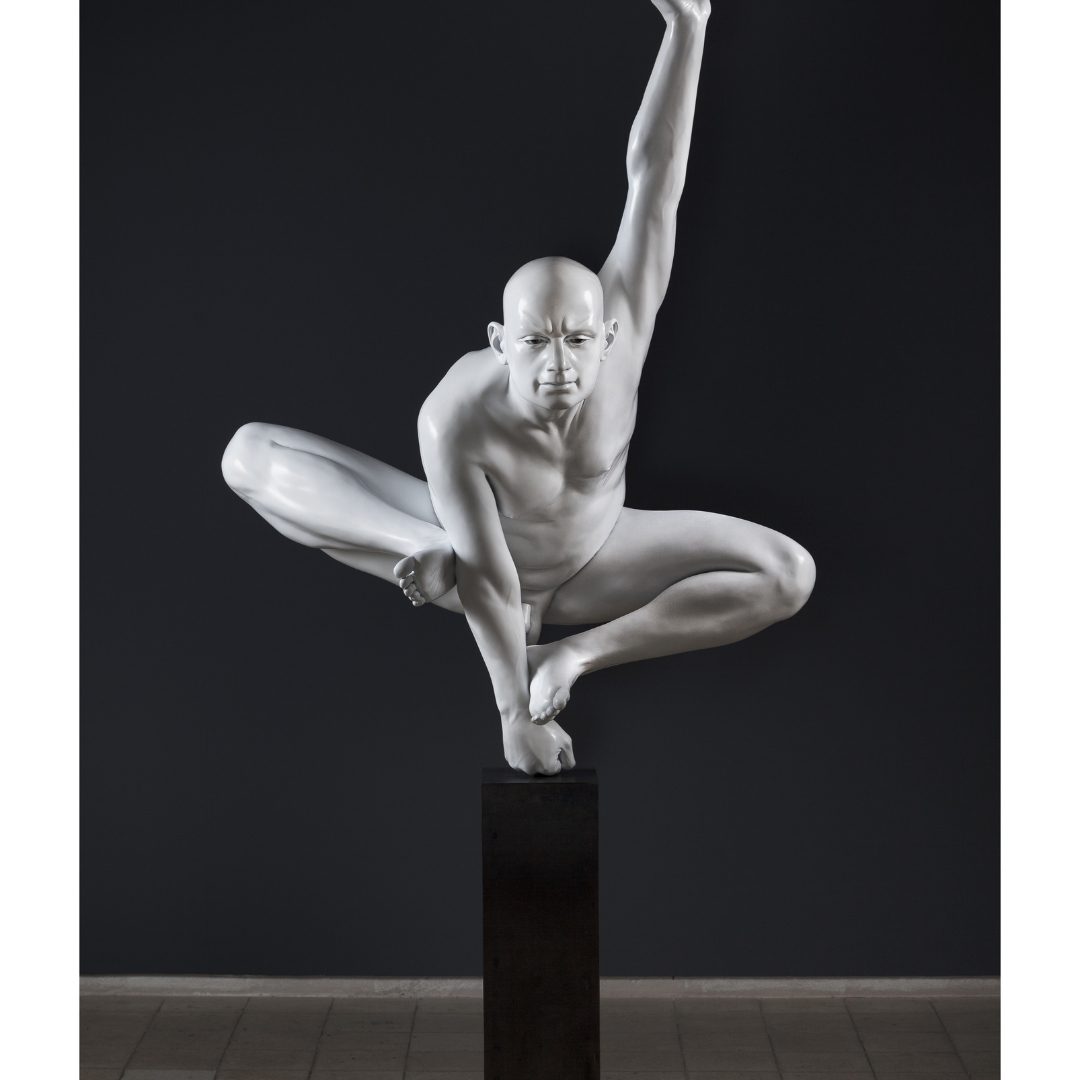
MojDa’s work is deeply rooted in the creative process itself. He focuses primarily on figurative sculpture, with a long-standing interest in the female nude, and in recent years has also explored the theme of the male nude. Alongside these subjects, he is increasingly drawn to sculptural portraiture and to the possibilities of sculpture in public space.
His daily practice is shaped by a strong balance between family life and disciplined studio work. This rhythm, combined with the calm of his natural surroundings, allows him to develop sculptures that are both intimate and thoughtfully composed. MojDa approaches sculpture as a continuous dialogue between form, material, and lived experience.
More information about his work can be found on: www.mojda.com
Facebook: https://www.facebook.com/dmojda
Instagram: @davidmojescik
Twitter/x.com: https://x.com/DavidMojda
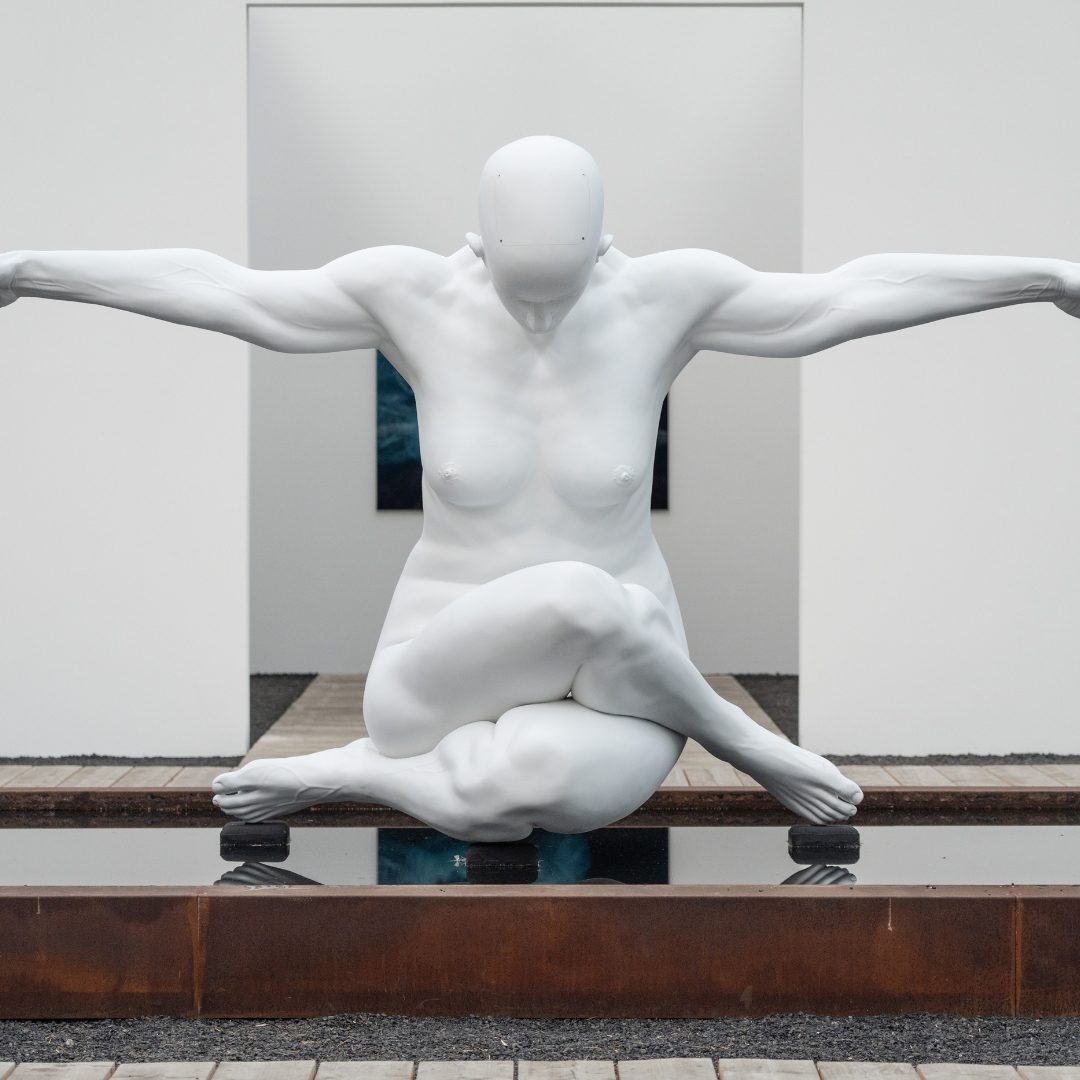
It is very difficult for me to answer the question about the origin of an idea. Sometimes I really don’t know where the idea or thought for the idea came from. How is it possible that I suddenly know what I want to do and how to do it? Writer and pilot Richard Bach described it nicely in his book Out of My Mind. Sometimes I need to draw an idea (thought), sometimes I create a sketch right away, and sometimes I model a sculpture without any preparatory sketches. Sometimes it requires a longer search and trial and error. But other times, there are projects that you have in your head that can be realised almost immediately. And then you just need to figure out how to do it and realise it in the material. For larger sculptures, I usually use a smaller auxiliary model — for example, works such as Levitation 2010 or EVA were preceded by a life-size sculpture. Only then did I execute everything on a larger scale. Conversely, I created the smaller versions after completing the larger ones. Basically, this allowed me to try out alternative compositions and designs.
I have my motto – do no harm and do not kill. In recent years, I have also come to like the words of our first Czechoslovak president, T. G. Masaryk – do not be afraid and do not steal, and truth will prevail. In a way, this applies to life, but also to art. I believe that art should not hurt and definitely not kill. And if you want to achieve something and do it properly, you must not be afraid and you must believe in yourself. And you must not steal in art either – Michelangelo already mocked plagiarism and eclecticism. You cannot lie in art. Not even to yourself.
What is your creative process? What outlook guides you?

What is your definition of artistic success?
Success (and not only in art) can take many forms. On the one hand, success is simply being able to do what you love and what fulfills you. It is good and fine if such work satisfies you internally. It is great if the viewer also enjoys the work. It is great if the work is successful in a competition and arouses the interest of experts – which is certainly pleasing. However, it is also great when you can support your family with it.
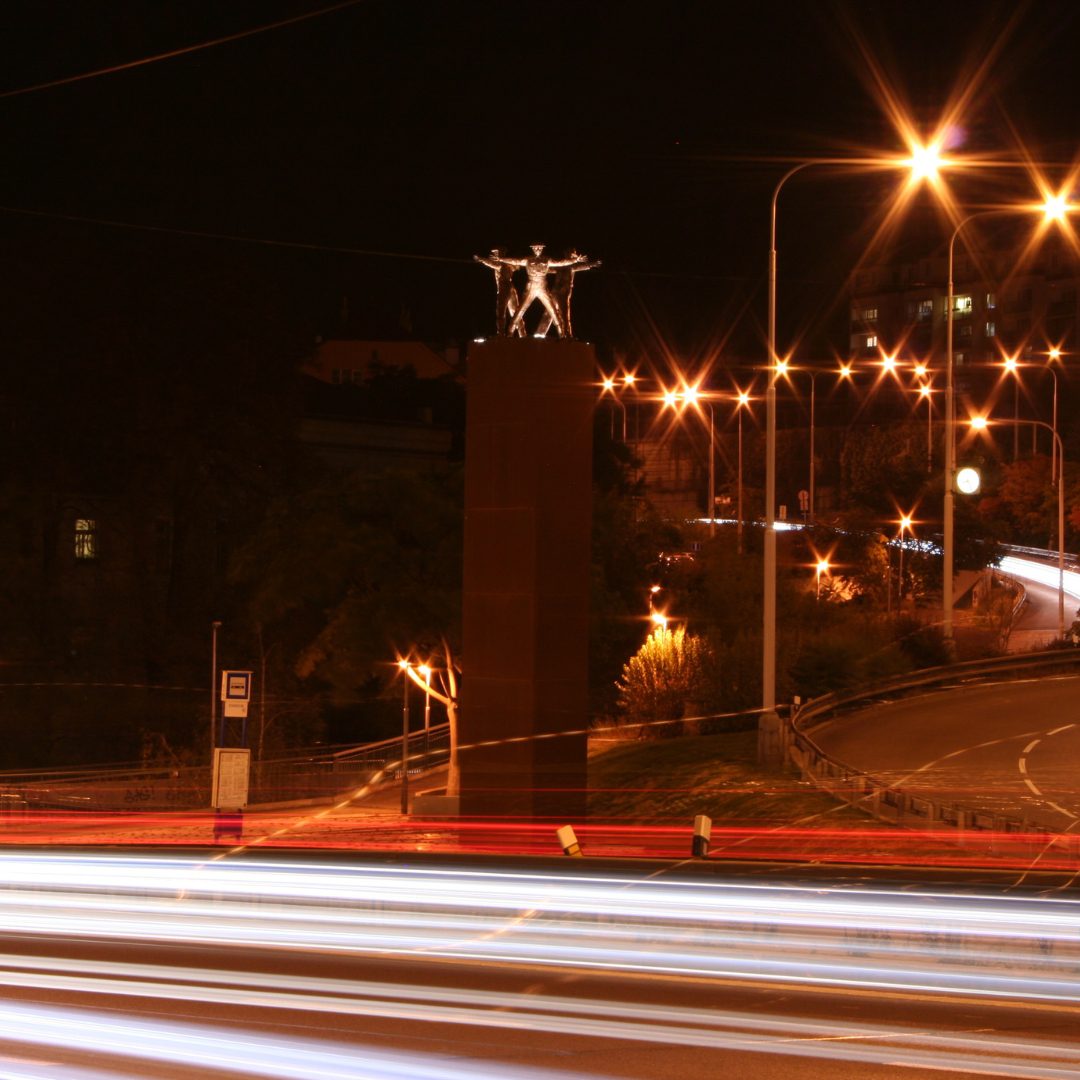
Probably the creation of the Operation Anthropoid memorial in 2009 – it was a team effort. My co-author was my friend and classmate from the Faculty of Fine Arts in Brno, Michal Šmeral, and the architectural design was prepared by Miroslav and Jiří Gulbis. We found out about the competition by accident on TV (about a month before the deadline for submitting proposals). The topic of the Heydrich assassination, the resistance during World War II, the paratroopers Gabčík and Kubiš, Czechoslovak airmen in Britain – I had read and admired all of this since childhood. At first, we were quite uncertain and hesitant when creating the design and we did everything remotely – I was in northern Moravia, my colleague in Brno, the architects in Prague – we communicated via the internet and phone. One morning, my friend and I had a clear idea and we solved the entire composition. I lay in bed with my phone to my ear, imagining a triangular prism above me, cutting through the intersection like a knife, standing out like an island or a last refuge, but at the same time creating a barrier against evil. On its edge stand people – parachutists, as if standing over an abyss, determined to act and with no way of returning. When we finished the model, we didn’t like it at all, we were completely dissatisfied with it. The architect then fine-tuned it in terms of composition and, above all, construction. We conceived the whole thing as a so-called “sculpture for viewing from a car” – a sculpture that you drive past when you drive. The monument stands almost in the middle of the intersection, but it is located on the site where this significant operation of the Second World War took place (Operation Anthropoid in 1942). We submitted our design to the competition five minutes before the deadline – actually at the last minute. We had no idea and did not expect that we would win. It was not only a surprise for us, but also a big commitment. We had to promise the last surviving resistance fighters that we would have everything ready exactly within a year, on the day. The monument had to be unveiled exactly on the anniversary day and at the exact hour when this historical event took place. In the end, we succeeded. I think it is a project that has a really big and deeper meaning. It is a little different from the work I usually do. Looking back, it was really interesting to work on it as a team.
I am glad that I managed to complete several new sculptures this year. At the end of winter, I finally finished the Ishvara III sculpture after several years. I worked on this piece for a long time, but I had to interrupt my work to create the EVA sculpture. I also created several smaller sculptures during the year. I managed to participate in several international exhibitions and competitions. I have exhibited abroad before, but this year was my first solo exhibition abroad. I also greatly appreciate being selected as a finalist in several art competitions. It is a great honor for me that my work has attracted interest in competitions organised by the VAA. In addition, my colleagues and I also participated in several competitions for projects in public spaces. Although we were unsuccessful in this endeavor, there is still a lot of unused material in these projects that can be worked on. I always see it as a constant process of searching, self-education, but also finding inner humility.
What are some of the accomplishments you are most proud of? What are some of the highlights from the past 15 months?
What’s the one piece of advice that has helped you the most?
Believe in yourself. Let people know about yourself and your work. Sometimes I even tell myself, pray and work. Don’t be afraid of change and experiment, but at the same time persevere in your efforts.
My biggest obstacle is probably myself. In the past, and during my art studies, I always focused primarily on creating art. I never learned a foreign language well, and I still feel that this is a major shortcoming. I am therefore grateful to my wife and eldest son, who help me with translations and often interpret for me. Another pitfall is the constant pressure of securing a livelihood. I make a living as a sculptor, but I also work as a teacher. Then there are specific problems associated with exhibitions of sculptures in general – transporting sculptures to exhibitions is not exactly cheap or easy. Of course, a similar and even bigger problem is the creation of sculptures in more traditional materials, especially when casting in bronze (where investors are absolutely essential).
What are your current obstacles?
What career goal is your current priority? How has the VAA helped your journey so far?
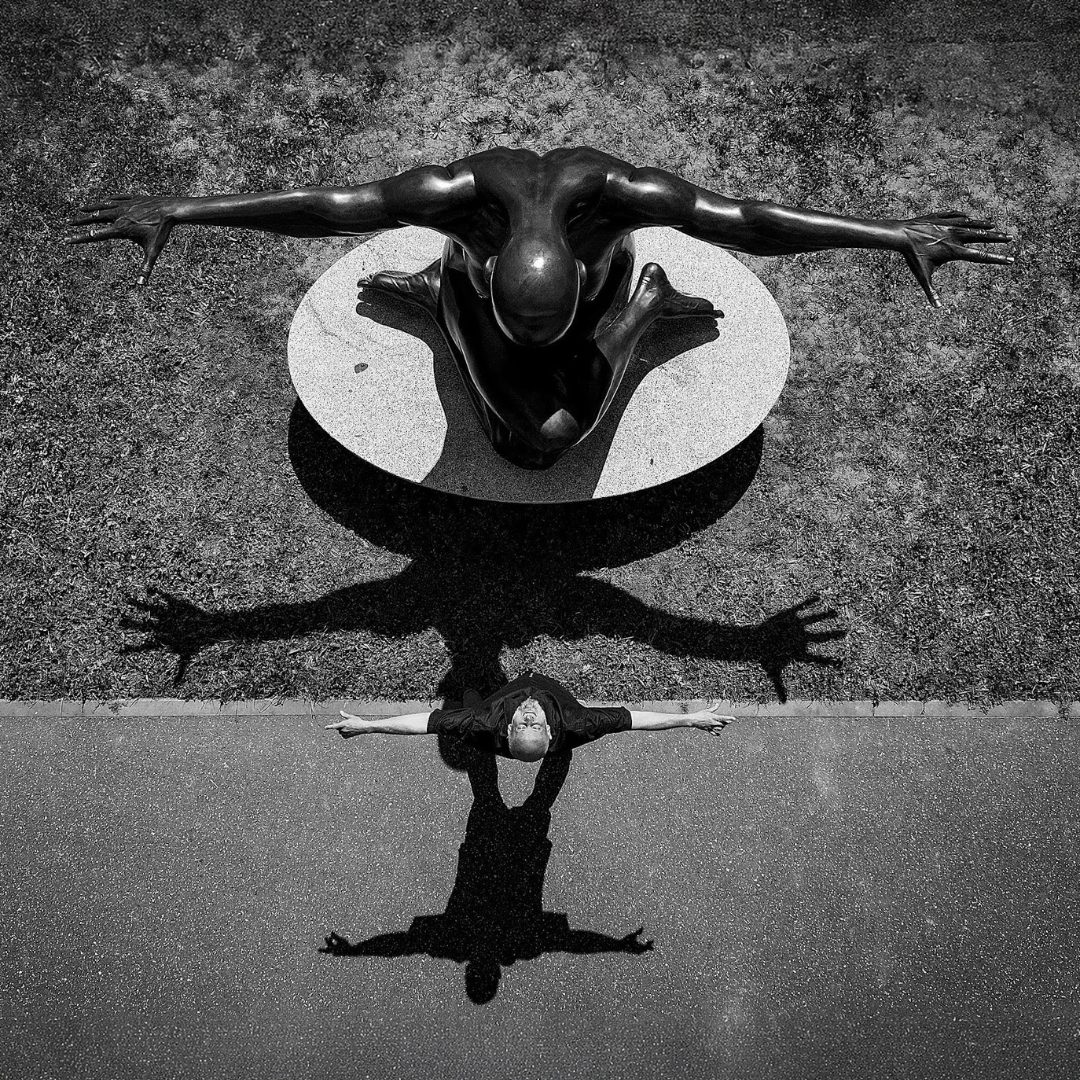
Since childhood, I have always had the same goal: to achieve harmony. Of course, it is just an ideal that may not even be achievable. But I want to remain myself. And of course, I would like to create many more sculptures and especially realisations.
First of all, I have to say that it is a great honour for me that my work has caught the attention of VAA. Through these competitions, my work has become known to other artists, curators, gallerists and viewers. Over time, I have also become more aware of one amazing effect of all international competitions and exhibitions (not only VAA, but also Berlin BBA, NordArt, Al-tiba9, etc.). You find yourself in communication with other interesting people, especially artists. And it is really great to have the opportunity to meet these people and possibly establish further cooperation.
I believe that everything that happens has a meaning and a reason. I like the wise saying from the Mahabharata: “This day shall also pass.” My dad often reminded me of the idea of detachment and non-attachment. Sometimes I think it is good not to expect anything – it can be interesting to have the opportunity to change something in the past, but the past cannot be changed. We can only learn from the past and mistakes. In the words of Hercule Poirot (in the book The Adventures of Christmas Pudding): “ Experience, that is priceless.” I like history and the word “if” in it is absurd and meaningless. So “if” I could say something to my “me” in the past, it would be something along the lines of what I wrote above. I think the “butterfly effect” can work.
Is there anything you would like to say to the artist you were a year ago?
Meet Our Members
Dawn Fincham | September 2026, Member of the Month
An Interview with Dawn Fincham: Highly Commended Artist – VAA Artist...
Clare Hanna | August 2026, Member of the Month
An Interview with Clare Hanna: People’s Choice Award Winner – VAA...
Cara Roberts | May 2026, Member of the Month
An Interview with Cara Roberts: Best New & Emerging Artist - VAA...