
Knowing the different types of galleries is essential knowledge for artists navigating exhibitions, representation, and professional development. While galleries are often seen as a single goal, the reality is more complex. Different gallery models operate in very different ways with distinct expectations, opportunities, and outcomes for artists.
Commercial Galleries
Commercial galleries operate as businesses. Their primary role is to represent artists and sell work to collectors, institutions, and at art fairs.
How they work:
- Generate income through sales (typically taking 40–50% commission)
- Represent a roster of artists
- Build long-term relationships with collectors
- Invest in marketing, exhibitions, and fairs
What this means for artists
Commercial galleries look for artists with a consistent practice, professional presentation, and market potential. Representation is usually a long-term partnership rather than a short-term opportunity, and expectations around professionalism, pricing consistency, and commitment are high.
Non-Profit and Public Galleries
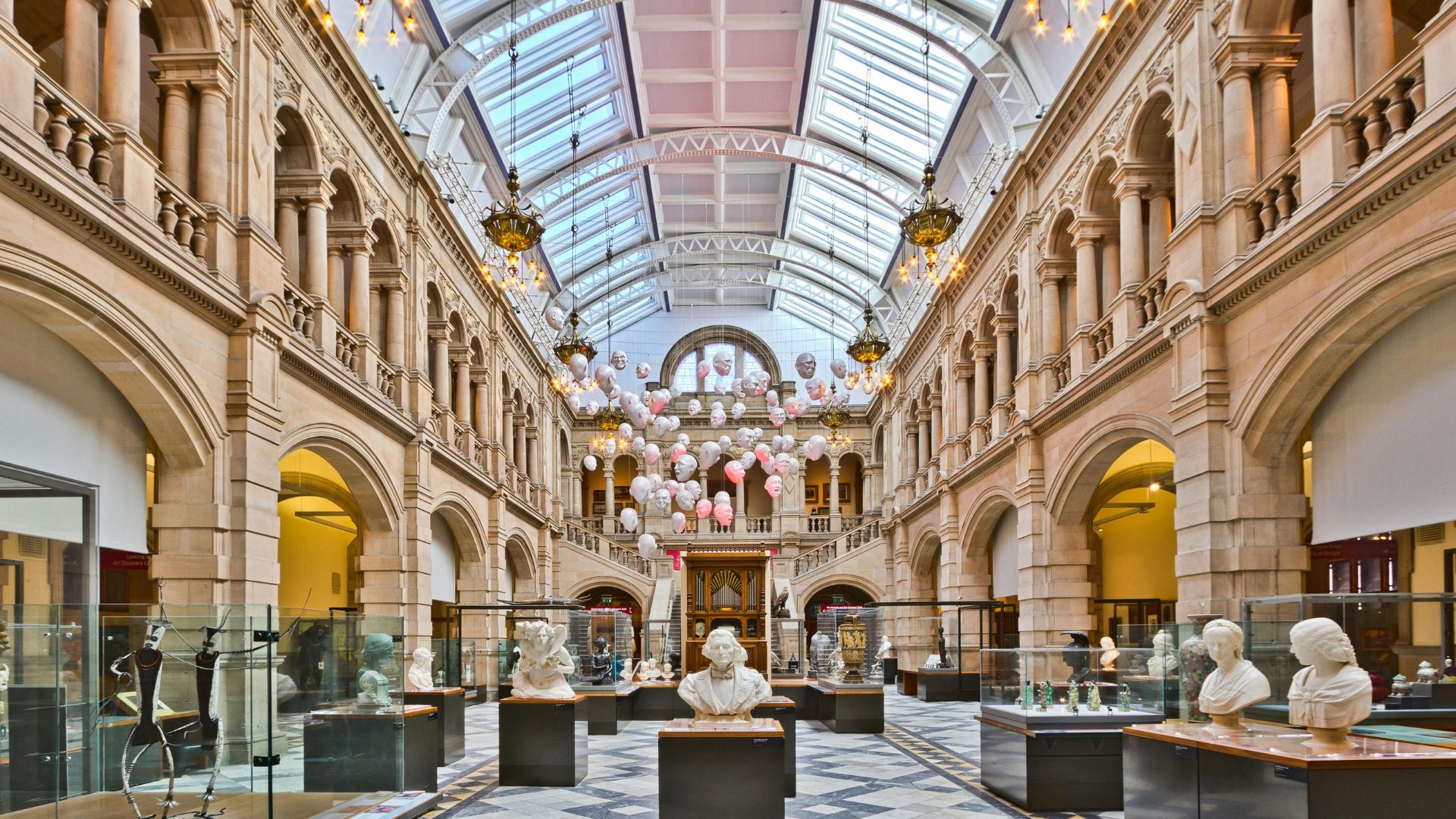
Non-profit galleries are often funded through public money, grants, or charitable support. Their focus is on cultural value, research, and public engagement rather than sales.
How they work:
- Programme exhibitions based on curatorial themes or research
- Often pay artist fees (though sales may be secondary or absent)
- Focus on critical discourse and audience access
What this means for artists
These spaces can be valuable for visibility, critical recognition, and career development. While they may not generate immediate income through sales, they often contribute to an artist’s professional profile and long-term credibility.
Artist-Led and Cooperative Galleries
Artist-led galleries are run by artists, either collectively or through cooperative models. These spaces often emerge to fill gaps in access or representation.
How they work:
- Shared responsibility for programming and operations
- Artists may pay membership or exhibition fees
- Focus on experimentation, collaboration, and peer support
What this means for artists
Artist-led spaces offer autonomy and opportunity, particularly for emerging artists. However, they also require time, administration, and realistic expectations around reach and resources.
Institutional Galleries and Museums
Institutions such as museums and major public collections operate at a different scale, with exhibitions often planned years in advance.
How they work:
- Curated through research, advisory boards, and long-term planning
- Focus on historical, cultural, or thematic significance
- Rarely involved in direct sales
What this means for artists
Institutional exhibitions can have significant impact on an artist’s profile, but access usually comes later in a career and through sustained practice, critical engagement, and professional networks.
Online and Hybrid Galleries
Online galleries and hybrid models combine digital platforms with physical spaces, pop-ups, or fairs.
How they work:
- Emphasise accessibility and global reach
- Vary widely in quality, support, and transparency
- Often rely on digital marketing and online sales
What this means for artists
These models can offer flexibility and exposure, but artists should assess credibility, contracts, and support structures carefully. Not all online galleries provide meaningful representation.
Choosing the Right Gallery Model
There is no single “best” type of gallery. The right fit depends on:
- Career stage
- Goals (sales, visibility, critical recognition)
- Capacity and resources
- Long-term strategy
Many artists work with multiple types of galleries over the course of their careers, and this is both normal and strategic.
Galleries are not just venues, they are systems with specific roles in the art world ecosystem. Understanding the different types of galleries and how their models operate allows artists to approach opportunities with clarity, confidence, and realistic expectations.
At the Visual Artists Association, we support artists in navigating exhibitions, galleries, and representation with informed guidance — helping artists build sustainable and professional careers over time.