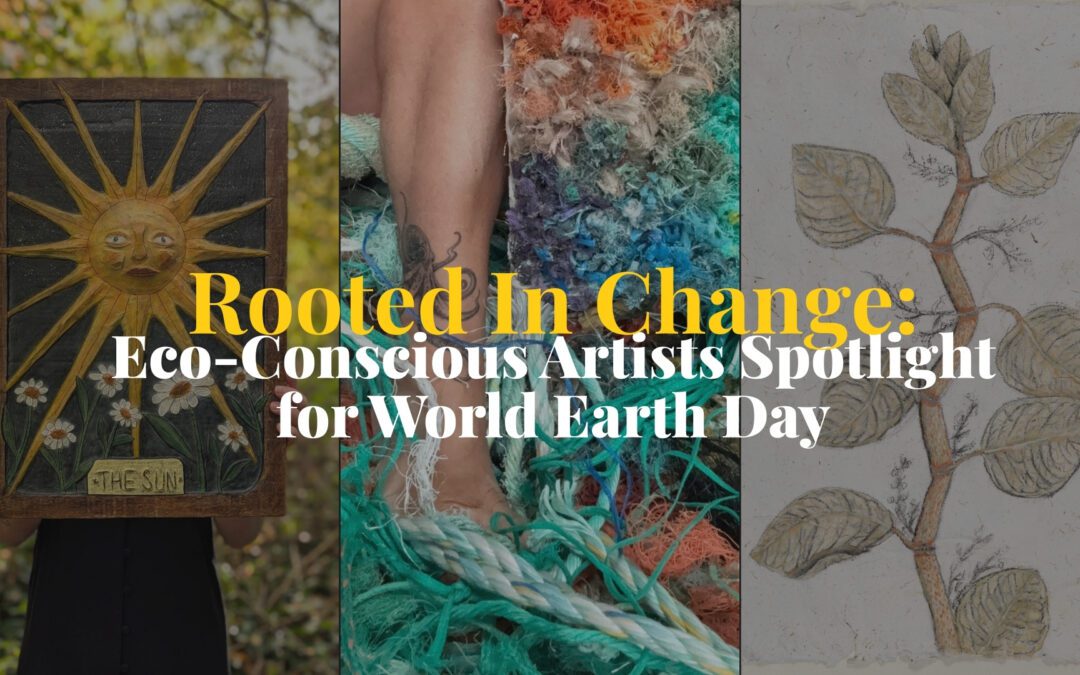
This World Earth Day, we are celebrating artists who are not only inspired by the natural world, but who actively reshape their creative practices in response to the environmental challenges of our time.
In an era defined by climate urgency, material excess, and ecological imbalance, these artists demonstrate that sustainability is not a constraint on creativity, but a catalyst for innovation, empathy, and systemic change.
Featuring the work of Kirsty MacDonald, Francesca Busca, and Caroline Lindqvist, this spotlight brings together three distinct yet interconnected practices rooted in care, consciousness, and responsibility. From plant-based pigments and immersive installations to intricate mosaics made entirely from waste, and sculptural forms crafted from discarded cardboard, each artist challenges us to reconsider what we value, in art, in materials, and in the living world around us. Their work moves beyond aesthetics, inviting dialogue about our relationship with nature, consumption, and community, and reminding us that art can be both a mirror to society and a blueprint for a more regenerative future.
Kirsty MacDonald
Kirsty MacDonald is a Scottish Mixed-media artist working with drawing, painting, sculpture, and installation. Her practice centres on plants, using natural dyes, inks, and pigments to explore more-than-human ways of thinking and Scotland’s cultural relationships with the land. Through research into plant cognition, folklore, histories, and the language we use to describe “weeds” and “invasive” species, she examines how perception shapes our treatment of the natural world. Her work foregrounds overlooked plants and sustainable materials, inviting viewers to reconsider their connection to the environment and to recognise the intelligence, resilience, and value of the flora that thrive alongside us.
Learn more about Kirsty’s work on her Instagram.
What eco-friendly practices do you incorporate into your work, and how do you encourage others to consider the environmental impact of their art?
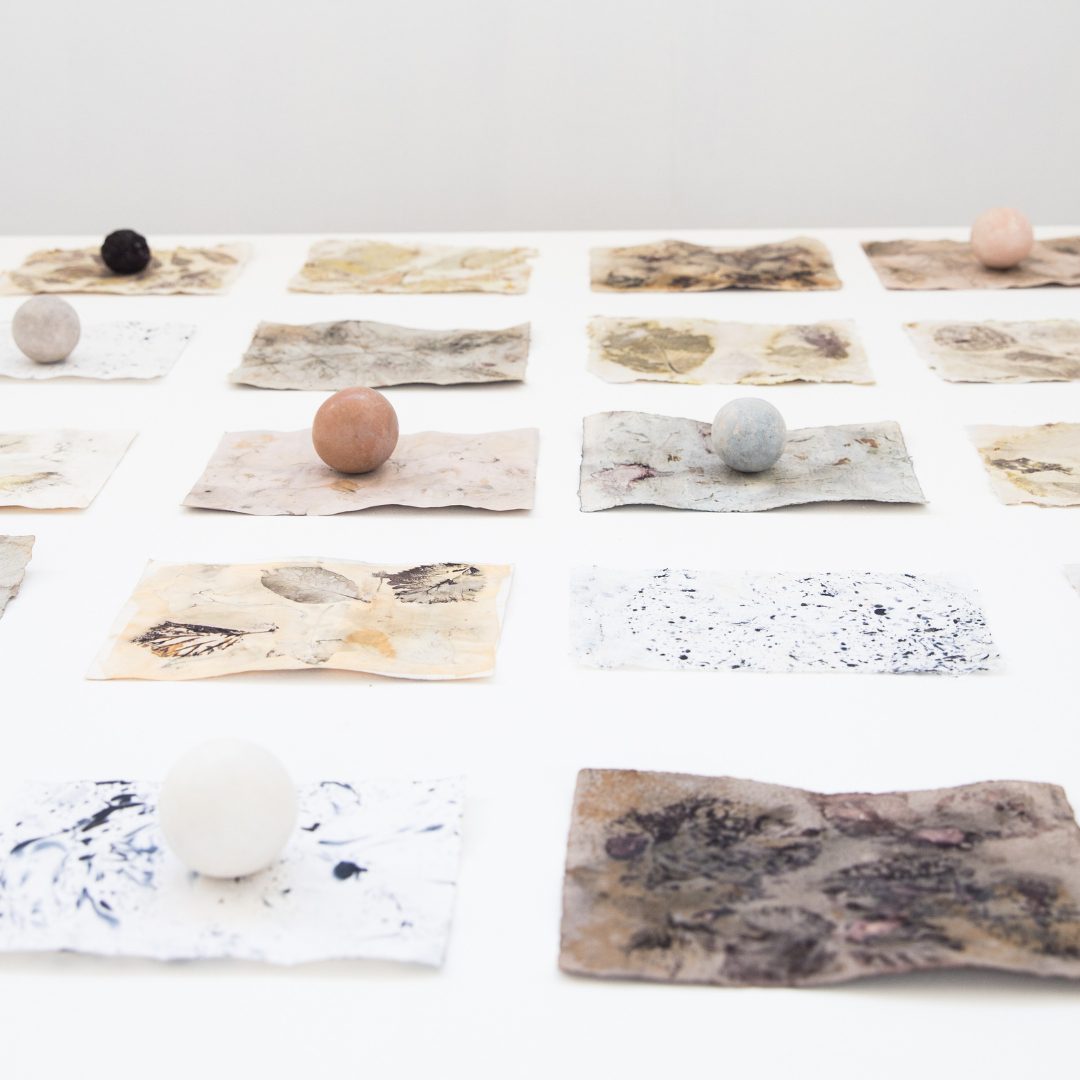
My practice is centered around eco-friendliness, sustainability and the environment. I create each piece with consideration of materials, where they come from and how I can reduce my impact on the environment. This consideration fundamentally changed my practice from what it once was to one that I am now extremely passionate about, allowing me to work with nature, feel closer to nature and have it become my focus.
I create my own inks, dyes and pigments from plants, sustainably harvesting and educating myself about them, which I then use to create fabric pieces and paintings. In my more sculptural work I also consider sustainability; recycling paper for use in papermaking and sculpture, using waste-wood and off-cuts, rescuing materials from skips and storing my materials in jars that would have elsewise gone to waste. I would encourage other to make these same considerations of the materials that they use, consider what materials are made of, how are they sourced, what kind of medium they use and what they waste in certain processes and how they can reduce that waste – I feel it should not be seen as a limitation either, for me the consideration of materials expanded my practice and allowed me to see the possibilities of every day things, thinking of how you can use something that you may be discarding can open up opportunity for new ideas and new ways of making.
I hope my work contributes to environmental awareness by encouraging people rethink how we relate to plants around us. By focusing on overlooked species such as weeds or invasive plants or those growing in everyday human-shaped places, I aim to highlight their significance, importance and that they are not lesser beings. My practice draws on ideas of more-than-human thinking and on Scotland’s long cultural history of living closely with the land.
Rather than leaning into fear or doom of climate change which often dominates the narrative, I aim to create a sense of beauty, connection, and curiosity. I want people to reconsider how they move through their environments: to notice the dandelion in the pavement crack, the buddleia on a railway line, the moss on a wall. To consider that plants are not intruders, but rather, they are cohabitants, adapting and thriving alongside us.
The message I want my audience to take away is that our planet is alive in every corner, not just in protected landscapes or curated gardens. Plants, humans, and animals all share this world, each contributing to its complexity. By paying attention to the life that surrounds us, we can rebuild a more compassionate, reciprocal relationship with the environment.
How do you hope your work contributes to environmental awareness, and what message about our planet do you most want your audience to take away?
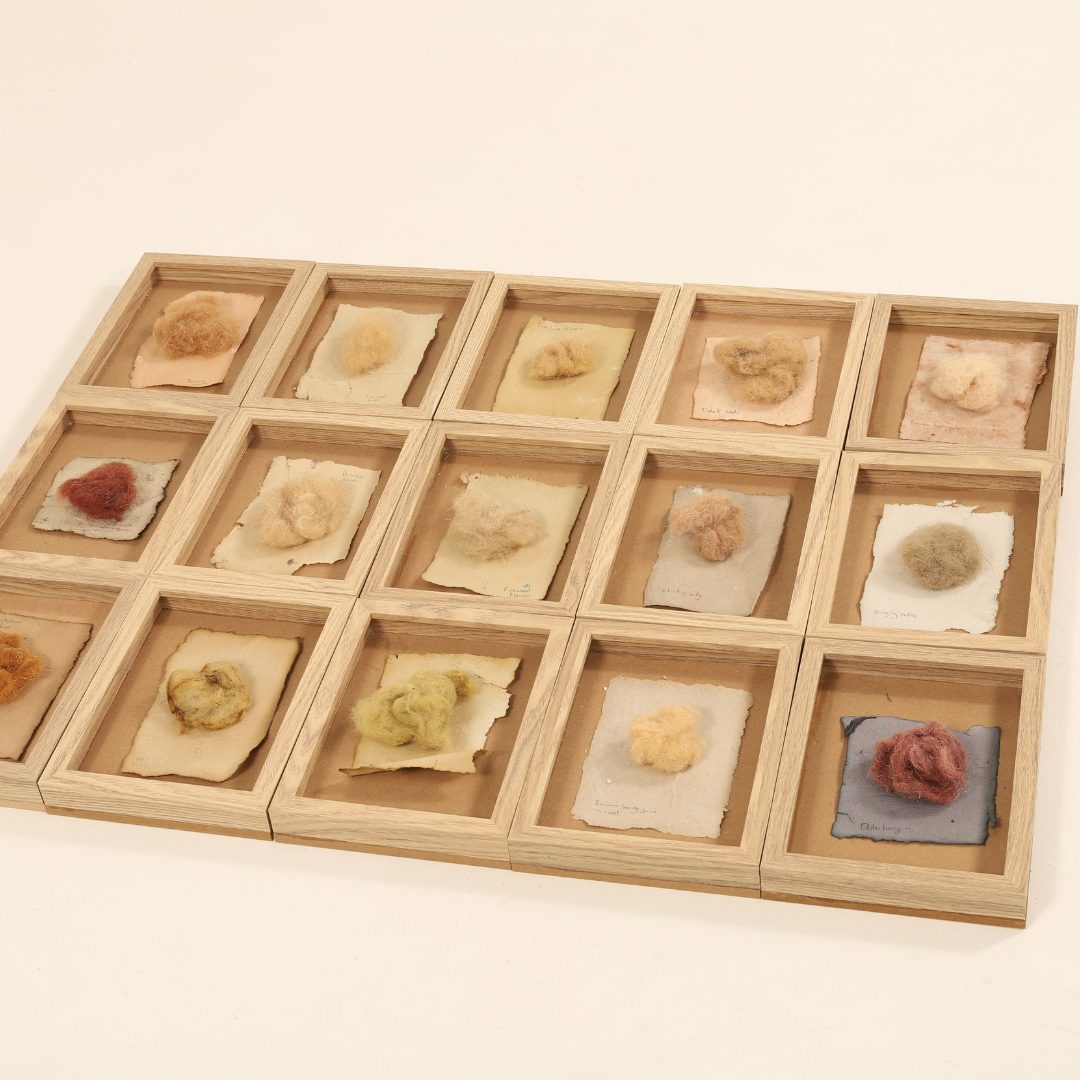
Imagine a future museum entirely dedicated to Earth-inspired art. What would your contribution look like, and how would it tell the story of today’s environmental challenges?
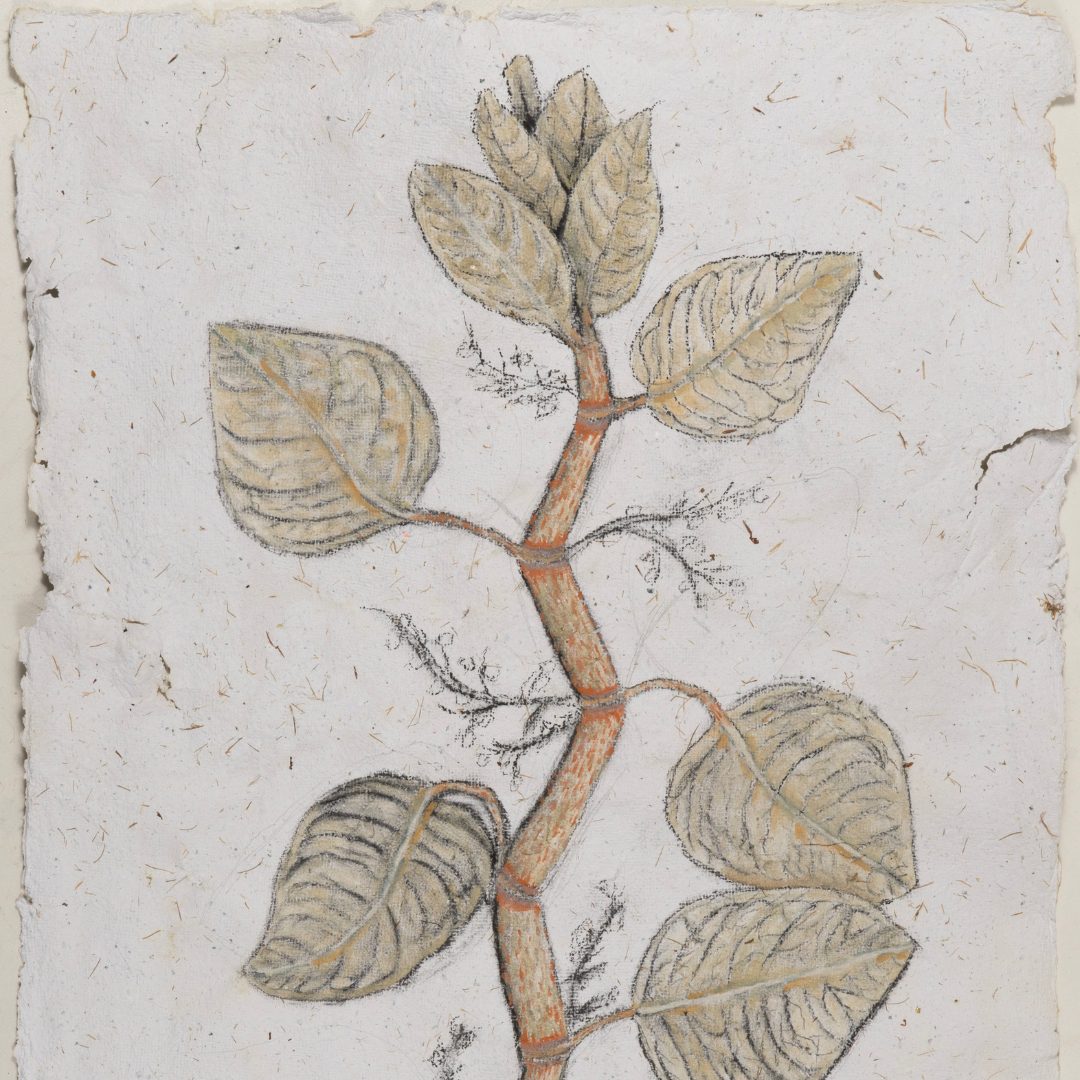
The idea of a future museum dedicated entirely to earth‑inspired art sounds like a space I’d never want to leave! My contribution would likely be an immersive installation, that invites visitors to step into the world of overlooked plants. The space would be filled with large‑scale sculptural weeds and invasive species emerging from the floor and walls, encouraging people to walk among them rather than past them. Botanical drawings and colour charts made from plant pigments would line the walls, alongside tree‑like forms that echo the textures of familiar landscapes.
I would want people to feel fully emersed and realise the wonders of the plants that exist all around us. While the installation may not tell a direct narrative about today’s environmental challenges, it would encourage people to rethink their relationship with plants; to pause before pulling up a weed, to question the routine use of pesticides, and to consider gentler, less harmful choices. In this way, it reflects a broader issue of disconnection: many people feel distant from the environment, whether through lack of time in nature or because other narratives dominate our attention.
The work would also point toward how we handle and value plants more generally. Instead of seeing them as obstacles to be removed, it invites viewers to imagine how we might work with them, learn from them, and recognise the possibilities they offer. It suggests that environmental challenges are not only about crisis, but about how we choose to see and engage with the living world around us.
Francesca Busca
F rancesca Busca is a London-based eco-artivist, trashure©️ artist, and waste mosaicist. A former City solicitor, she now works exclusively with waste to create mosaics that challenge disposable culture and advocate for a systemic shift from anthropocentrism to the common good. Her practice includes the initiatives ArtforTrash©️ and Payment in Kind(ness)©️, and she is the founder of the international eco-activist collective GREENy bastARTs. She collaborates with institutions including CNR-ISMAR Venice, the London Transport Museum, and the University of Birmingham, and is a member of IOAEA, ActforEaling, BAMM, ArtCan, VAA, Mensa, Project One Wave, and the London Clean Air Initiative.
Learn more about Francesca’s work on her Instagram and Website
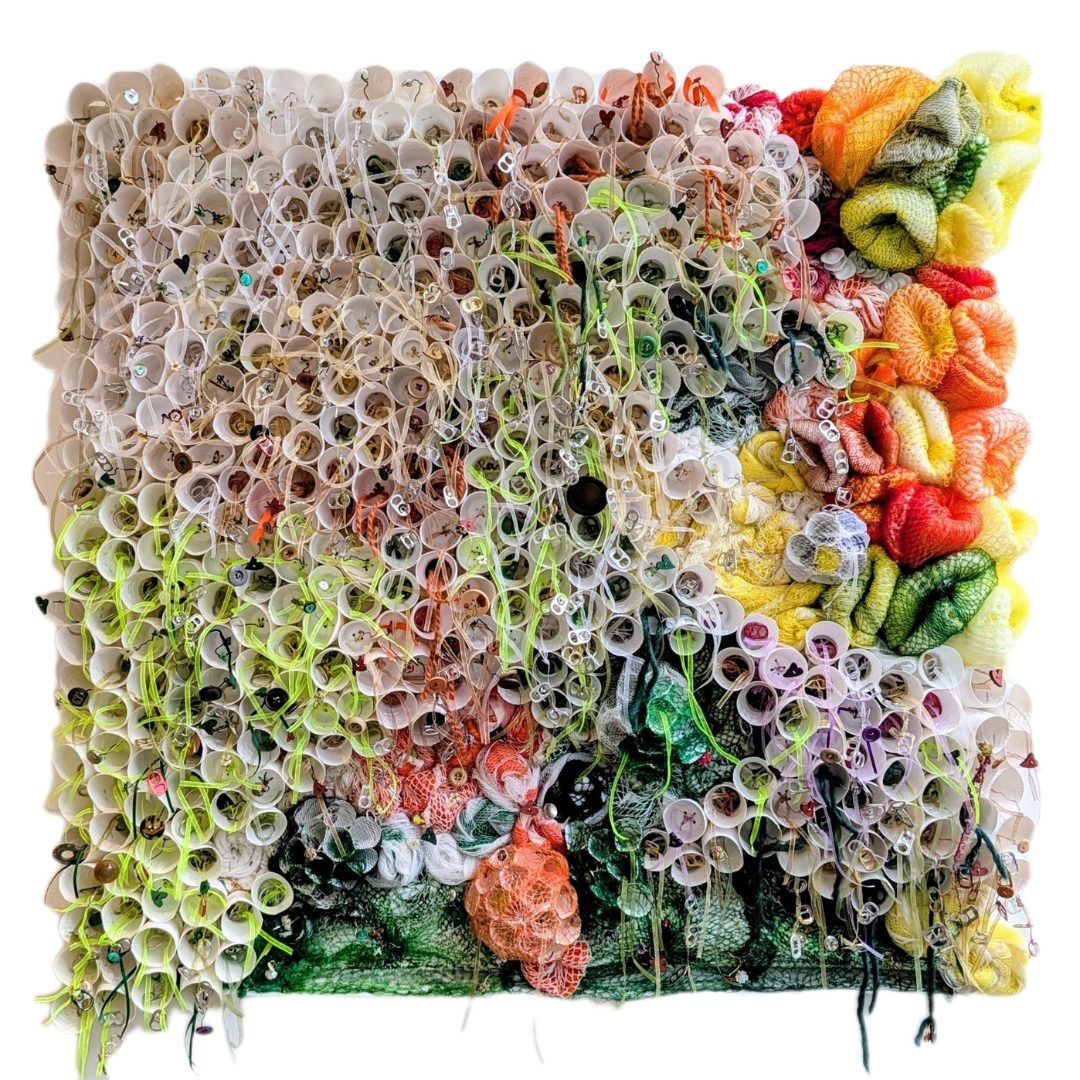
My practice is rooted in a holistic, low-impact lifestyle and a commitment to systemic change. I work exclusively with waste—what I call “trashure”—transforming society’s discards into mosaics that challenge our culture of disposability. My materials include screw caps, yoghurt pots, coffee pods, stock wraps, cork cages, fruit nets, and other household and marine debris, all gathered through community engagement and clean-up missions. I use vegan, non-toxic, and the lowest possible-carbon processes throughout.
I encourage others by sharing my methods transparently and inviting them to reflect on the ethical implications of their creative choices. Through initiatives like ArtforTrash©️, where I create bespoke artworks from clients’ own waste, and Payment in Kind(ness)©️, which accepts eco-actions as payment, I aim to provoke a shift in mindset. My workshops and talks—delivered across schools, galleries, institutions, and corporate settings—are designed to inspire empathy, responsibility, and a re-evaluation of our relationship with materials and systems.
What eco-friendly practices do you incorporate into your work, and how do you encourage others to consider the environmental impact of their art?
How do you hope your work contributes to environmental awareness, and what message about our planet do you most want your audience to take away?
My work is a call to empathy and urgency. It seeks to communicate the need for a systemic shift from an anthropocentric worldview to one centred on the common good. My unique waste mosaic technique transforms preexisting materials into intricate compositions that would hold their meaning regardless of the material used, though using Trashure adds an extra layer of meaning as they are made with their nemesis. This approach challenges consumption patterns and invites reflection on our collective impact, while nurturing a sense of shared stewardship and hope for systemic change.
Art is the closest thing to a universal language and the very fibre of empathy and connection. It is the best way to approach the viewer for a dialogue on these urgent matters. My aim is to make visible the possibility of change: if waste can become wonder, then our systems, too, can be reimagined. I want people to feel empowered, not overwhelmed—to understand that every action matters, and that sustainability is not a trend but a behavioural legacy we must all contribute to. For example, I am working with the Birmingham Business School Accounting Department to explore new ways to quantify our system based on nature rather than profit, and how art can be both the subject and the vessel of such revolution.
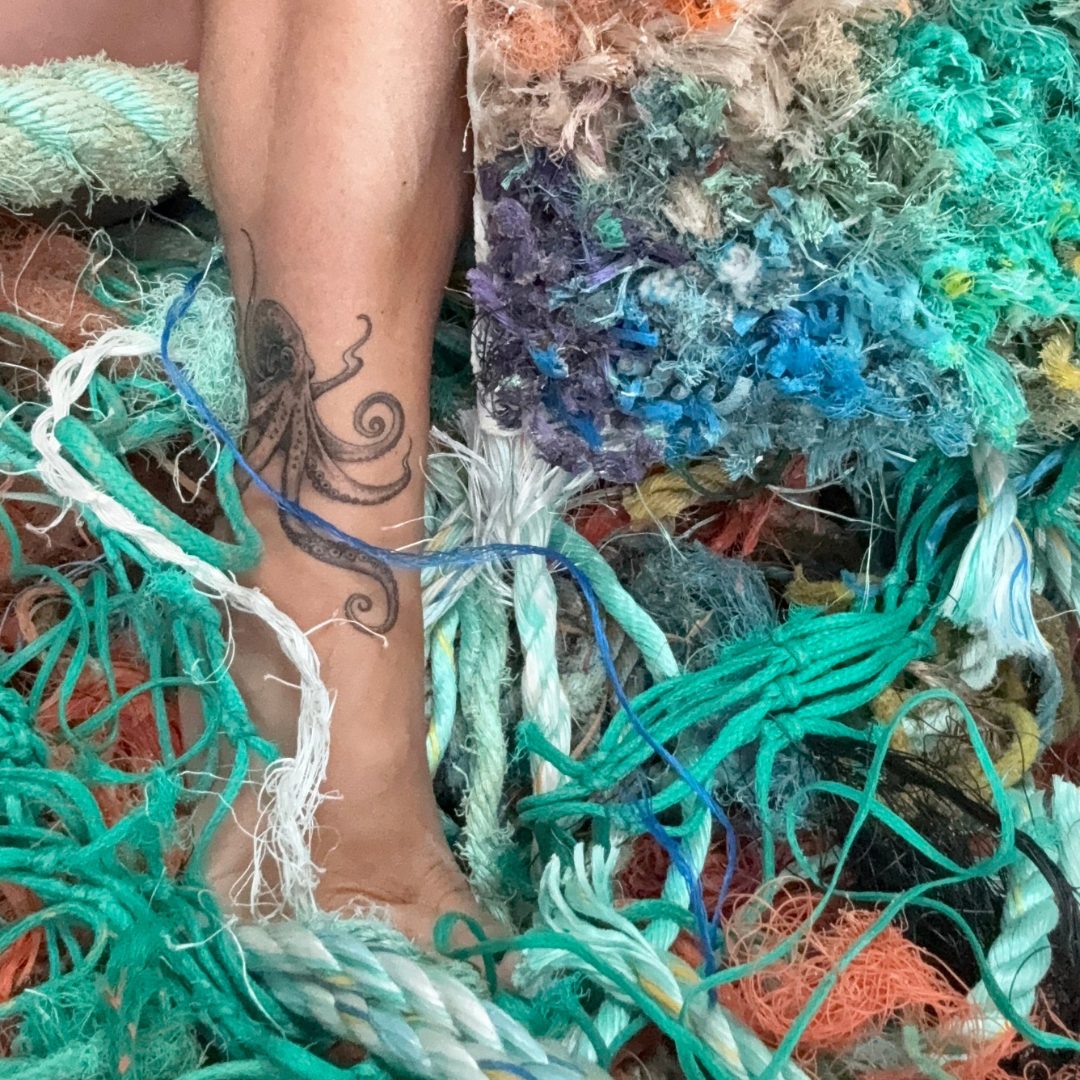
My contribution would probably be an immersive installation inspired by an upcoming collaboration with CPWF UK to create a chronological waste mosaic made with marine debris collected during their beach cleaning expeditions, further extending the narrative of community engagement and environmental stewardship through art. It would probably be titled “AnthropoScene: Our Un-Disposable Heritage“—a large-scale, evolving environment made entirely from waste collected through community collaboration. Visitors would journey through a space that begins with overwhelming accumulation and gradually transforms into interconnected patterns inspired by natural systems, symbolising the shift from extraction to regeneration.
The final section would be participatory: visitors would contribute their own waste, adding to a growing communal mosaic. This act of collective authorship would embody the behavioural shift I advocate—away from individualism and towards shared responsibility. The installation would not only reflect the environmental urgencies of our time but also model the empathy, creativity, and collaboration required to address them.
Imagine a future museum entirely dedicated to Earth-inspired art. What would your contribution look like, and how would it tell the story of today’s environmental challenges?
Caroline Lindqvist
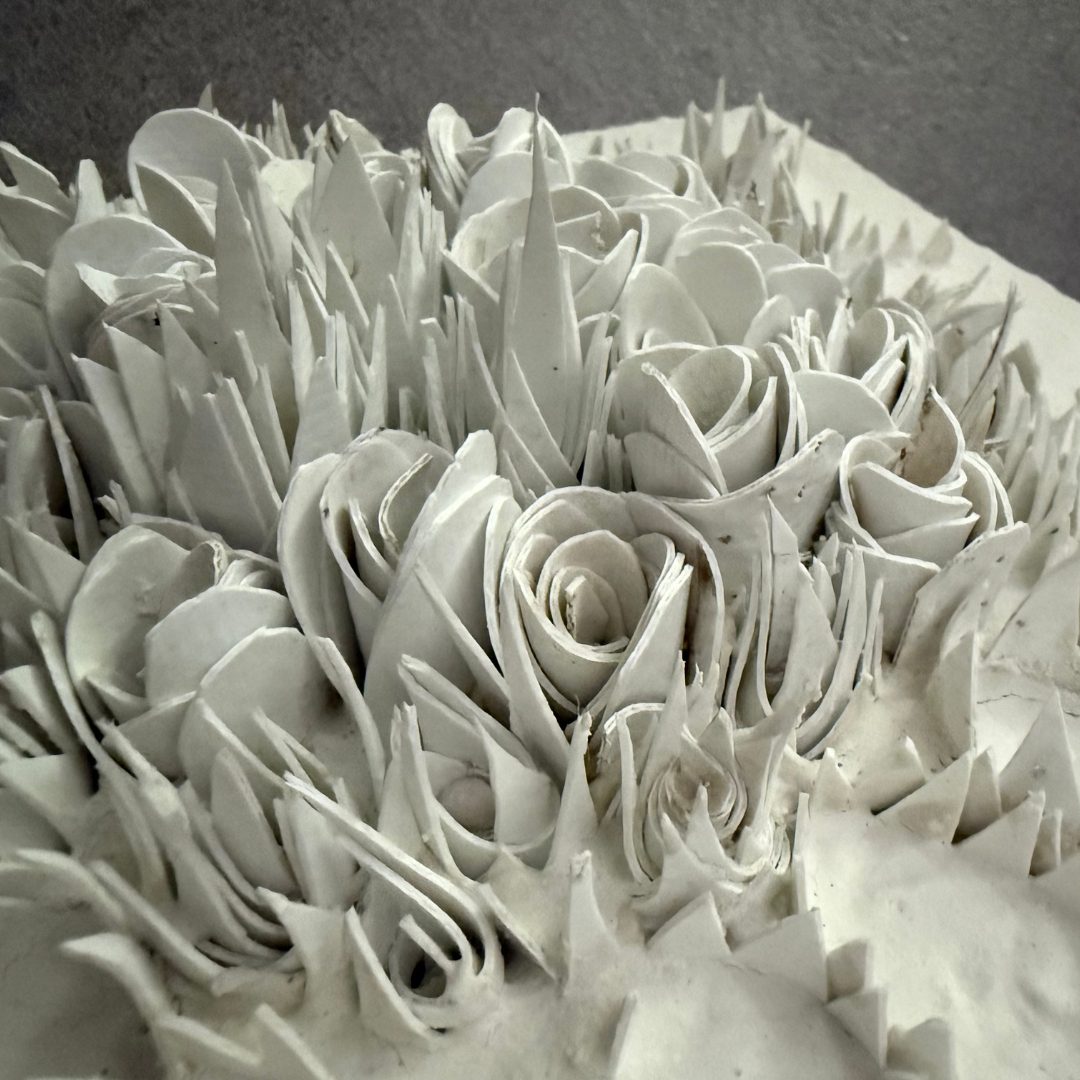
Caroline Lindqvist is a London-based artist from southern Sweden working with discarded cardboard and paper. She transforms overlooked materials into sculptural pieces that explore transformation, sustainability, reflections on life, thoughts and feelings. Inspired by Scandinavian landscapes, cinematic atmospheres and the tension between fragility and strength, she creates raw forms that draw attention to textures, shapes and unexpected details. Through her work, Caroline shows how materials we might otherwise discard can be given a second life, becomingexpressive forms that carry meaning beyond their original use.
To find out more about her work, head to her Website and Instagram
What eco-friendly practices do you incorporate into your work, and how do you encourage others to consider the environmental impact of their art?
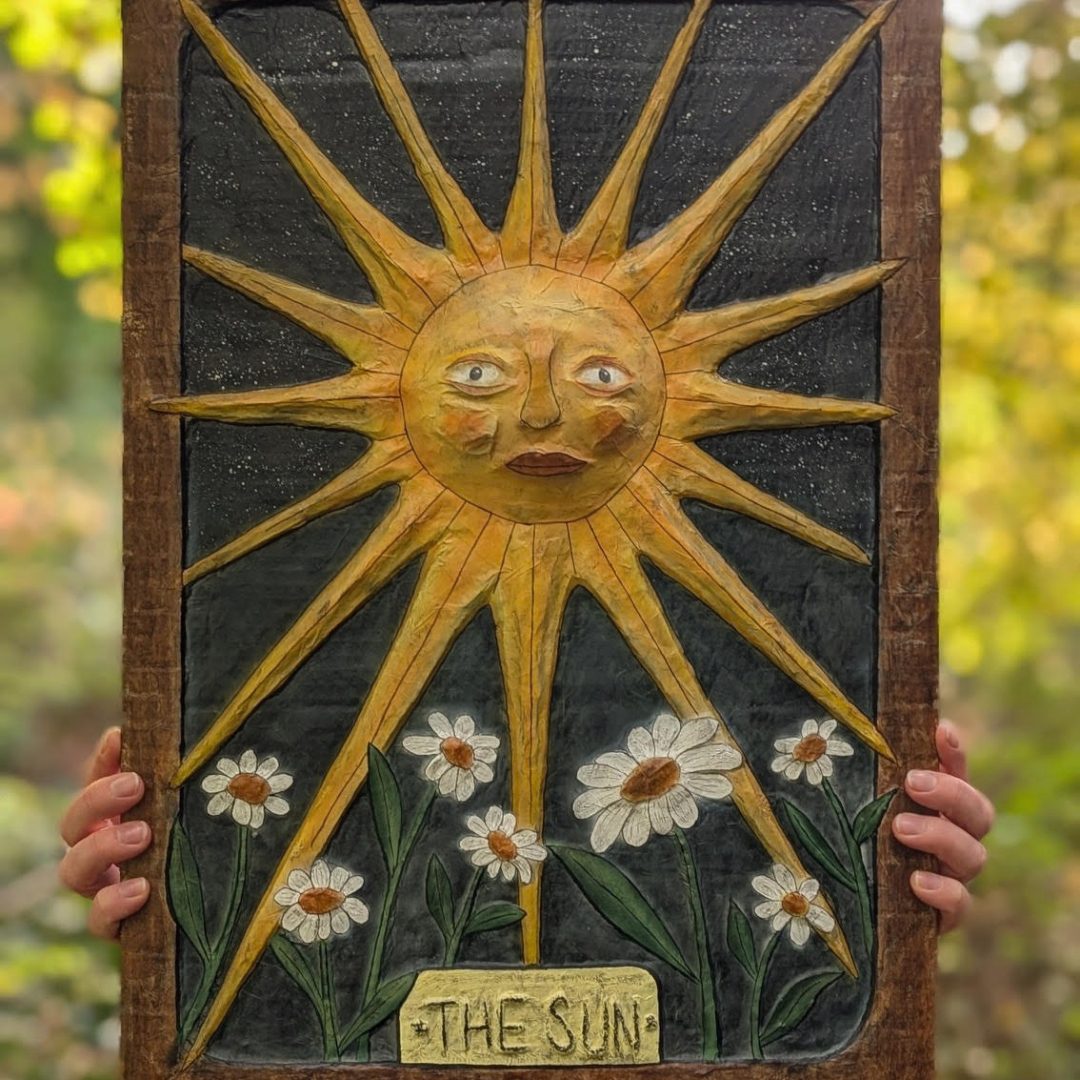
Sustainability is at the centre of my practice. I work primarily with discarded cardboard and paper, materials that have already served a purpose and would otherwise be thrown away. By transforming them into sculptural forms, I try to show how much value still exists in what we tend to overlook.
My studio is filled with cardboard and tissue paper that I collect whenever I come across it.
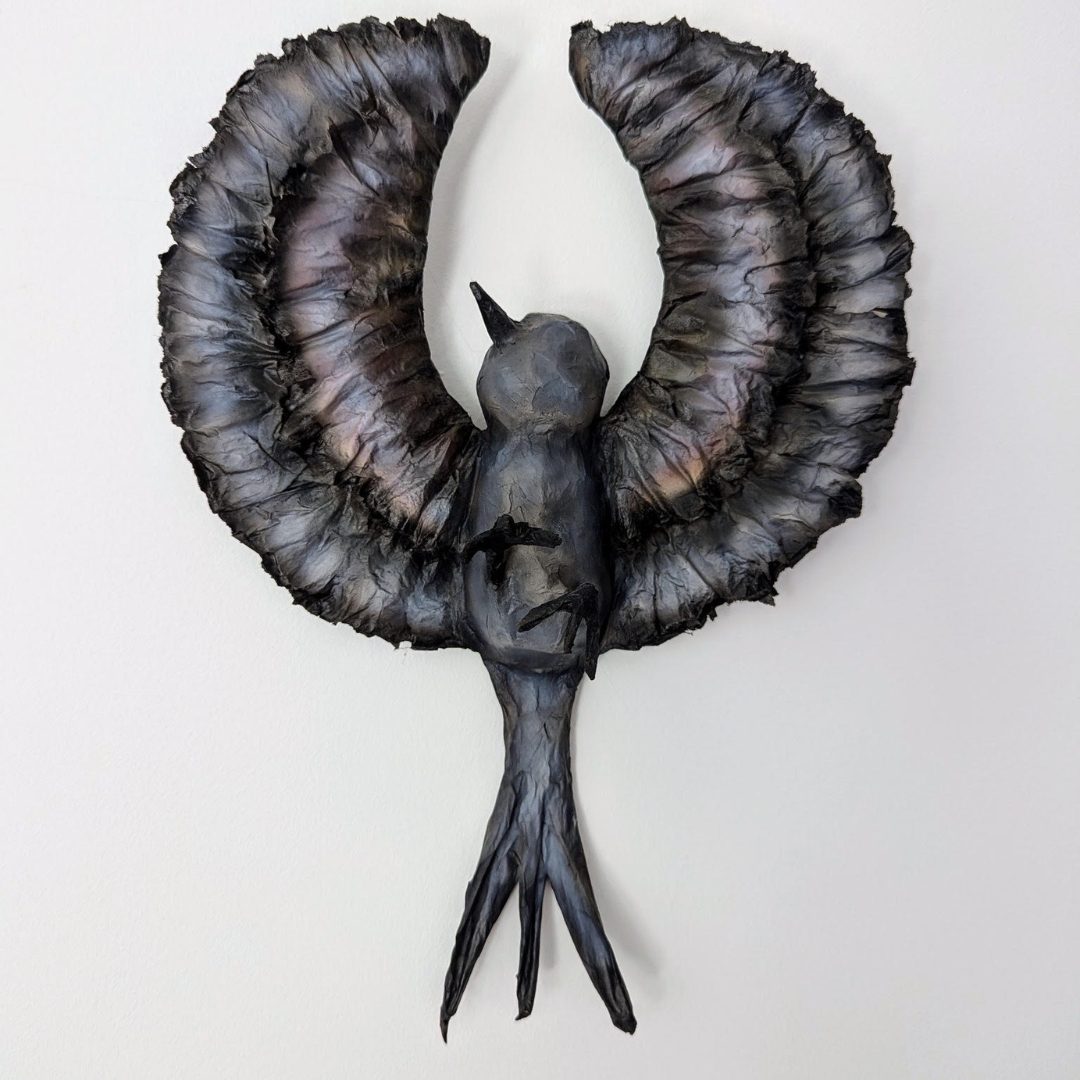
Creases and tears remain visible and the surfaces stay raw, allowing the past lives of the materials to be part of the work. The process itself is slow and hands-on, encouraging care and attention rather than speed or overproduction. If I need tools or other types of materials, I buy second-hand whenever possible, choosing what already exists rather than adding to demand for new production. Through sharing my process, I hope to encourage others to rethink the idea that making art requires brand-new supplies. We are surrounded by materials waiting to be seen differently and given another chance.
My work isn’t about telling people what to think, it’s about creating space to pause and reflect. By transforming materials that might otherwise be thrown away, I hope viewers start noticing what we often overlook and question what we label as worthless. There’s often a tension in my sculptures between fragility and strength. Materials that seem weak
or temporary can become resilient and lasting when they’re shaped and layered carefully. That tension encourages people to consider how attention and care can make a difference, not just in art, but in how we treat the world around us.
I hope my work inspires a shift in perspective: to see the value in what already exists, to act in a more thoughtful way and to take responsibility for our impact on the environment. Even small changes in awareness can influence the way we live, the choices we make and how we care for the planet.
How do you hope your work contributes to environmental awareness, and what message about our planet do you most want your audience to take away?
Imagine a future museum entirely dedicated to Earth-inspired art. What would your contribution look like, and how would it tell the story of today’s environmental challenges?
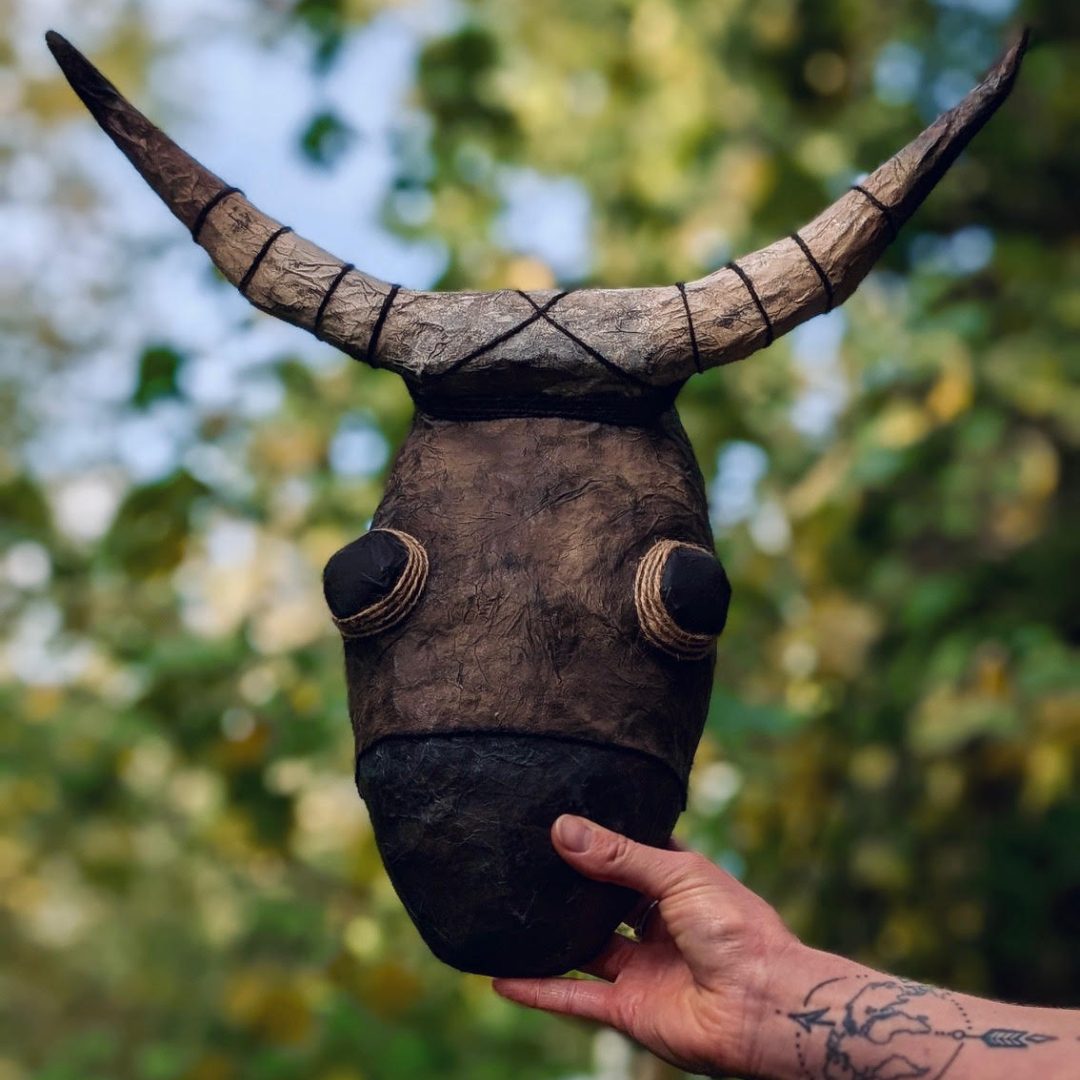
My contribution would be a sculptural installation made entirely from reclaimed cardboard and paper, showing the potential in materials that might otherwise be thrown away. The forms would shift through the space, from more structured shapes to pieces that feel a little stretched, twisted or unsettled, hinting at the tension in the world caused by overuse and overconsumption.
The surfaces would stay raw, with creases and traces of previous life visible, letting viewers see the history of the materials. The shapes would suggest pressure and strain, but moments of openness or light would give a sense of resilience and possibility. Rather than telling a single story, the installation would encourage people to slow down and observe. It would invite reflection on how our choices affect the environment and how even small acts of care, whether that’s for materials, objects or the world around us, can make a difference
As we mark World Earth Day, the practices of these VAA artists offer more than reflection — they offer direction. Through sustainable harvesting, the transformation of waste, and the reclamation of overlooked materials, Kirsty MacDonald, Francesca Busca, and Caroline Lindqvist each demonstrate that meaningful environmental action begins with conscious choices. Their work shows that sustainability in art is not merely about reducing harm; it is about reimagining relationship, with plants, with materials, with systems, and with one another.
Together, their visions point toward a future where creativity and ecological responsibility are inseparable. Whether encouraging us to notice the resilience of weeds in pavement cracks, to see beauty in discarded plastic, or to recognise strength within fragile cardboard, they remind us that change often begins with a shift in perspective. This Earth Day, may their practices inspire us to look more closely, act more thoughtfully, and embrace the possibility that through art, and through collective care, we can help shape a more compassionate and sustainable world.